
It’s the August long weekend, and I’m sitting at my folks’ cottage at Lake of the Woods in beautiful northwestern Ontario. In addition to a much-needed break from the city, I usually pop into Lake of the Woods Brewing Co. to refill a growler or two.
I’m always in charge of bringing wine to the lake, which is fine, except that I’m at the mercy of my folks’ cottage “glass”ware, which is actually plastic-patio-ware. There’s nothing wrong with ‘em, but they’re not exactly restaurant-ready.
They worked nicely for the Creekside Pinot Grigio — light-bodied, with plenty of fresh, crunchy red apple notes as well as pear, floral and lighter peach notes. Perfect for the patio and the lake.
Sure, I could lug some stemware to the cottage, but that seems a bit wrong. Besides, does it matter? Does glassware really make that much of a difference to a wine?
Yes, yes it does, in fact. There’s a marked difference in wine’s flavours from one receptacle to another.
There are many reasons glasses matter — here are just a couple.
First of all, the shape of a glass can impact where the wine lands on your tongue, which (to an extent) can impact which flavours are most prominent. Next time you sip a glass of bubbly from a champagne flute (slender, with a small opening), notice how far back you have to tilt your head to actually get the stuff into your mouth. The bubbly often bypasses many of your taste buds.
Compare that to a rounder, wider glass, like one typically used for Pinot Noir. A glass like that offers a wine more surface contact with oxygen, and releases plenty of aromas you wouldn’t get out of a bubbly glass. (Alternately if you put sparkling wine in a Pinot Noir glass the wine would lose its oh-so-important fizz pretty quickly.)
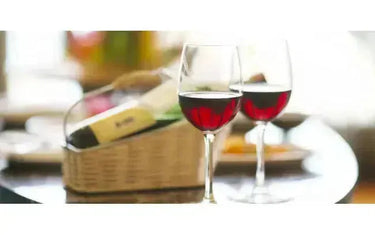
Ideally your stemware will be made of thin glass, preferably without a lip, or crystal. And while producers such as Austria’s Riedel and Spiegelau make (pricey) grape- or region-specific glasses, you don’t need to get that picky.
In fact, these stemware producers also make reasonably priced entry-level glasses that will meet the needs of all but the pickiest imbibers. I have a basic set of glasses I use for pretty much all my wine tasting. I love ‘em, and they’re cheap enough that breakage isn’t too emotionally painful.
Here’s a tip — check out stores like The Bay on any given weekend — you’ll typically find one line or another on sale.
As for stemless glasses — those that are just the bowl and nothing else — they’re certainly handy for smaller living spaces and a bit more dishwasher- (and lake-) friendly. The only drawback, especially for white wines, is that the temperature of your hands can warm up the wine in your glass.
For more on why the shape of a wine glass matters, check out this handy guide from Riedel.