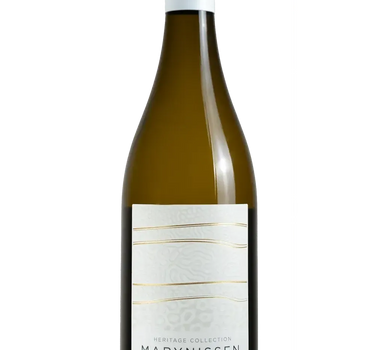
Viognier
A white wine grape variety, Viognier’s origins are unknown. It’s presumed to be an ancient grape dating back several centuries. It’s most popular in France but is now found in most winemaking regions such as Italy, Spain, South Africa, New Zealand, Switzerland, United States, Argentina, Canada and even Japan.
- Gold Medal
Quick view
Quick view - Bronze Medal
Quick view - Gold Medal10% Off
Quick view
Quick view - Silver Medal
Quick view
Quick view
Quick view
Quick view
Quick view
Quick view
Quick view
Quick view
Quick view
Quick view
Quick view - Silver Medal
Quick view
Quick view
Quick view -
- 1
- 2
Viognier produces an aromatic wine with stone fruit, lavender and herbal notes. Some styles can be particularly dry, while others have a rich, smooth taste. Viognier wines typically have a sweeter taste with low acidity and a well-rounded finish. Viognier is often used in blends, providing a unique floral lift to the wines.
Viognier is very difficult to grow, it’s prone to mildew and can only be picked when fully ripe. The yields are very unpredictable making it difficult for winemakers. In 1965, Viognier almost went extinct. Since then, the number of plantings has increased significantly. In Canada, Viognier grows best in British Columbia due to its warmer climate. Serve Viognier chilled for the best experience.
In summary, Viognier has the following characteristics:
- White wine grape variety
- Origins are unknown, assumed to date back several centuries
- Most popular in France, but now found in most winemaking regions
- Aromatic wine with stonefruit, lavender and herbal notes
- Sweet taste with a well rounded finish
- Often used in blends
- Very difficult to grow
- Yields are unpredictable
- Almost went extinct in 1965
- Serve chilled for the best experience
Frequently Asked Questions (FAQs)
Q: What is Viognier wine, and how is it different from Sauvignon Blanc or Chardonnay?
A: Viognier is a fragrant white wine known for peach, apricot, and floral notes. Compared to Sauvignon Blanc, it usually feels softer and less zippy; compared to Chardonnay, it can be similarly full but more perfume-like and less buttery. Think “aromatic and smooth” rather than “crisp and citrusy.”
Q: Is Viognier sweet or dry?
A: Most Viognier is made dry, but it can taste a little sweet because the fruit flavours are so ripe and generous. Low acidity can also make it feel rounder and softer on the palate. If you like wines that feel smooth, Viognier is often a good fit.
Q: Who tends to love the Viognier collection?
A: It’s a great pick for people who find very tart whites a bit sharp and want something more relaxed and aromatic. If you enjoy Pinot Gris, Riesling on the drier side, or lightly oaked Chardonnay, Viognier is an easy next step. It’s also a nice “crowd-pleaser” white for dinner parties because it’s expressive without being aggressive.
Q: What food pairs best with Viognier?
A: Viognier loves dishes with a little richness or gentle spice, like roast chicken, pork, creamy pastas, or Thai takeout that is not too fiery. It also works nicely with salmon, scallops, or even poutine if you want to get a bit silly in the best way. Serve it well chilled, then let it warm a touch in the glass as you eat.
Q: Why is Viognier sometimes blended, and does that change the taste?
A: Winemakers often use Viognier in blends to add floral lift and a fuller mid-palate, basically it can make a wine smell prettier and feel rounder. In a blend, you may notice more perfume and stone fruit, even if Viognier is not the main grape. Fun fact, it nearly disappeared in the 1960s, so seeing it thrive now, including in warmer pockets of Canada, feels like a little comeback story in a glass.