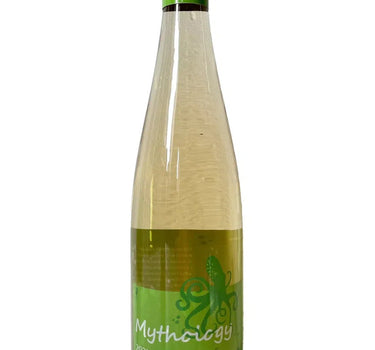
Orange Wine is a unique style of wine made from white grape varieties that undergoes extended skin contact during fermentation (same as red wines). This process gives the wine its distinctive amber or orange color, along with a complex flavor profile. In Canada, particularly in regions like Quebec, Ontario and British Columbia, winemakers are embracing this technique, creating orange wines that reflect the country's diverse terroir. Have you had the chance to try one?
Orange wine is an ancient winemaking style dating back thousands of years. The color comes from extended contact between white grape juice and grape skins during fermentation. Orange wine offers a unique tasting experience that falls somewhere between white and red wines on the flavor spectrum.
Why Is It Called "Orange" When It's Not Made From Oranges?
Even though its name, orange wine contains no citrus fruit whatsoever. The term refers solely to its distinctive color which ranges from pale amber to deep copper or even rusty orange. Some winemakers and enthusiasts prefer the more technically accurate term "skin-contact white wine" since it better describes the production method. Think of it as white grapes made using red wine techniques.
How Is Orange Wine Made? (And Why It's Different from White or Rosé)
The magic of orange wine happens during fermentation. While standard white wines separate the juice from skins immediately after pressing, orange wine keeps the white grape skins and sometimes stems in contact with the juice for days, weeks or even months. This extended maceration extracts compounds that create its unique characteristics:
More tannins (that slightly drying sensation you feel with red wines)
Deeper color from skin pigments
Complex flavors including nuts, dried fruits, and tea-like notes
Greater structure and aging potential
At My Wine Canada, we're seeing more Canadian winemakers experimenting with this ancient technique, bringing exciting new options to your glass.
Orange Wine in Canada: A Growing Story
Canada's wine landscape has been quietly evolving, with orange wine emerging as one of its most intriguing chapters. In cool-climate regions, they're finding that extended skin contact not only creates that signature orange color but also helps extract enough flavor to compensate for our shorter growing seasons.
Many Canadian producers use aromatic whites like Gewürztraminer and Vidal that thrive in our climate, creating orange wines with surprising floral notes and spice. What's remarkable is how they're adapting techniques— we've seen everything from 14-day macerations to bold six-month experiments that push boundaries in fascinating ways.
Is Ontario Leading the Way—or Are Other Regions Catching Up?
Ontario initially took the lead in Canada's orange wine movement, with pioneers in Niagara and Prince Edward County experimenting as early as 2009. The limestone soils and cool climate proved ideal for creating structured orange wines with incredible complexity and aging potential. But make no mistake—the rest of Canada is catching up fast. Okanagan winemakers are leveraging their warmer climate to create bolder, more fruit-forward interpretations, while Nova Scotia producers are making bracingly fresh, mineral-driven versions that showcase their coastal terroir.
Tasting Orange Wine: What Should You Expect?
Orange wine offers a sensory journey unlike any other wine style you've likely experienced. You'll notice a fuller body and more pronounced tannins than typical whites giving that gentle grip on your palate.
The flavor profile can be wonderfully unpredictable - ranging from dried apricot and orange peel to nutty notes spice and even a pleasant earthiness. Some bottles offer subtle oxidative qualities reminiscent of sherry. Unlike traditional whites which emphasize pure fruit and acidity orange wines showcase complexity layers and textural elements that evolve dramatically in your glass.
What Foods Pair Best with Orange Wines?
Try pairing orange wine with:
Bold spicy cuisines like Ethiopian Moroccan or Indian food
Rich umami-forward dishes including mushroom risotto or aged cheeses
Smoked meats and fish especially salmon or trout
Hearty vegetarian fare like roasted root vegetables or lentil stews
Fermented foods including kimchi sauerkraut and funky cheeses
The slight tannic grip of orange wine cuts through fatty dishes while its fruit notes complement complex spices beautifully. Don't be afraid to experiment - orange wines often shine with foods that other wines struggle to complement.
Frequently Asked Questions (FAQs)
Q: What is Orange Wine, and is it the same as skin-contact white wine?
A: Orange Wine is made from white grapes, but the juice ferments with the grape skins, like a red wine. That skin contact adds colour, texture, and a gentle tannic grip. “Skin-contact white” is basically the more technical name for the same style.
Q: What does Orange Wine taste like compared to regular white wine?
A: Expect less “crisp and fruity” and more “textural and savoury.” Many Orange Wines show dried apricot, orange peel, tea, nuts, and sometimes a lightly earthy note. They can feel grippy on the finish, kind of like a red wine’s structure, just lighter.
Q: Is Orange Wine dry or sweet?
A: Most Orange Wine is dry, but it can taste richer because of the added texture and flavour from the skins. If you like your wines clearly sweet, this style may feel more savoury than you’re expecting. If you like dry whites but want more depth, it’s a fun step up.
Q: What foods pair best with Orange Wine for dinner?
A: Orange Wine is great with spicy dishes, mushroomy or umami-heavy meals, and smoked fish like salmon. It also plays nicely with aged cheeses, roast veggies, and fermented flavours like kimchi. When in doubt, treat it like a white with red-wine confidence at the table.
Q: Where is Orange Wine made in Canada, and does Canadian Orange Wine taste different?
A: You’ll see Canadian Orange Wine from Niagara and Prince Edward County, plus the Okanagan and Nova Scotia. Cool-climate versions often lean brighter and more mineral, while warmer sites can push riper fruit and a rounder feel. It’s the same technique, but the regional personality really shows up in the glass.