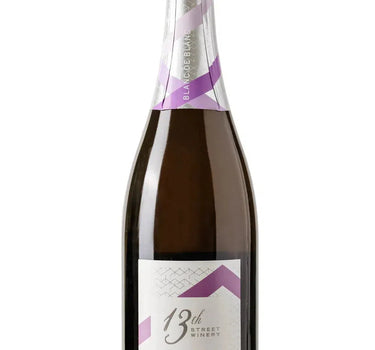
Sparkling Wine
Sparkling wine is any wine with bubbles in it. The best of what sits here is made the slow way: a second fermentation in the bottle, then years resting on the lees.
That method needs high acidity to work, which is exactly what a cool Canadian autumn delivers. Chardonnay and Pinot Noir do most of the heavy lifting.
Every bottle ships straight from the winery that made it.
Quick view
Quick view
Quick view
Quick view
Quick view
Quick view
Quick view
Quick view
Quick view
Quick view
Quick view Choose options View details
Quick view
Quick view
Quick view
Quick view
Quick view
Quick view
Quick view
Quick view
Quick view -
How the Bubbles Got In
There are two ways to do this and the difference is most of what you are paying for. Tank method runs the second fermentation in a pressurised vessel and bottles the result. It is quick, it keeps the fruit loud, and it is why an affordable sparkling can still be a good one.
Traditional method runs that second fermentation inside the bottle you buy, then leaves the wine resting on its spent yeast for years. That is where the bread-and-pastry character comes from, and it is the reason those bottles cost what they do. Look for traditional method on the label; in Canada it is stated plainly rather than hidden.
Why Canada Is Built for This
Sparkling wine is the one style where a cold country has a structural advantage. The method needs grapes picked at high acidity and low sugar, which is exactly what a short Canadian season delivers without anyone having to work at it. Everywhere warm has to pick early and hope.
Two grapes do most of it. Chardonnay brings the citrus and the backbone; Pinot Noir brings weight and red-fruit depth, and it is what turns a sparkling wine pink when the juice takes a little colour from the skins. Niagara grows the bulk of both, with the Okanagan and Nova Scotia making a serious case of their own.
Reading the Sweetness on the Label
The terms are old and not obvious. Brut is dry and it is what most people mean by sparkling wine. Extra Brut is drier still. Demi-sec is genuinely sweet, and confusingly, sec sits sweeter than brut despite the name meaning dry.
If you would rather not decode any of it, dry sparkling wine and sweet sparkling wine split the page for you. The dry end handles oysters, fried food and most of a dinner table; the sweet end belongs with dessert or on its own.
Serving It Properly
Cold, but not frozen. Too cold and the aromatics disappear entirely, which is the most common way a good bottle gets wasted. Skip the flute if you have anything better; a normal white wine glass gives the wine room to actually smell like something.
If you want the shortlist rather than the whole page, award-winning Canadian sparkling narrows it to bottles that have been judged at the National Wine Awards of Canada. Everything here ships direct from the winery that made it.
Frequently Asked Questions (FAQs)
Q: What counts as Sparkling Wine, and is it the same as Champagne?
A: Sparkling wine is wine with bubbles, created when carbon dioxide is trapped during fermentation. Champagne is a specific type of sparkling wine that comes from the Champagne region in France. Canadian sparkling wine can use similar methods and grapes, but the name “Champagne” is regional.
Q: What does “brut” mean on Sparkling Wine, and will it taste sweet?
A: “Brut” usually means dry, so you get crisp apple, citrus, and a bready note, not sugary sweetness. If you like dry white wine like Sauvignon Blanc or Pinot Grigio, brut is a safe starting point. If you prefer off-dry whites, look for terms like “extra dry” or “demi-sec” and expect more sweetness.
Q: I’m new to bubbly, what Sparkling Wine style is easiest to like?
A: Start with a dry, easygoing style like brut, it’s refreshing and friendly at the table. If sharp acidity puts you off, a slightly softer, fruitier option can feel more approachable. Chilling it well helps a lot, warm bubbles taste louder and more aggressive.
Q: What foods pair best with Sparkling Wine?
A: Sparkling wine loves salty, crispy, and rich foods, think popcorn, fried chicken, poutine, or creamy cheeses. It’s also great with seafood like smoked salmon because the bubbles cut through oil and richness. For dessert, pick a sweeter style like demi-sec so the wine does not taste sour next to sugar.
Q: Is red Sparkling Wine actually a thing, and does it taste like red wine with bubbles?
A: It is a real style, and it can be a lot of fun. Expect bright berry flavours and a lighter, fresher feel than many still reds, with bubbles making it feel extra lively. It’s a good match for pizza night or a charcuterie board when you want something different but not fussy.