
White Wine
Canada's climate usually gets talked about as a problem to work around. For white wine it's the whole advantage.
Short seasons and cold nights keep acidity in the grape, which is exactly what a white wine wants. You can taste it right across this page: citrus and orchard fruit, a clean finish, and enough backbone to stand up to dinner.
Ontario is also on the short list of places where Riesling counts as a signature grape. Germany, Alsace, Austria and Australia's Clare Valley are the rest of that company. That is not a small thing to be able to say.
Most of the page sits between $20 and $40. Every bottle ships direct from the winery that made it, and plenty of them never turn up on a liquor board shelf.
Quick view
Quick view
Quick view
Quick view
Quick view
Quick view - Bronze Medal
Quick view - Silver Medal
Quick view
Quick view - Bronze Medal
Quick view - Gold Medal
Quick view - Silver Medal10% Off
Quick view
Quick view
Quick view
Quick view
Quick view
Quick view
Quick view
Quick view
Quick view -
Start With the Grape
The quickest way to narrow this page down is to pick a variety and work from there. Four of them do most of the heavy lifting in Canada.
- Riesling is the country's calling card. It runs bone dry through to properly sweet, and the acid holds it together at either end. If the only Riesling you've met was sweet, the dry ones will reset your expectations.
- Chardonnay is the biggest section here and the most variable. Bare stainless steel at one end, months in barrel at the other. The tasting notes will tell you which you're looking at, more reliably than the label will.
- Sauvignon Blanc is the green, citrusy one. The Canadian version is quieter than the New Zealand bottle most people picture, leaning to lime and gooseberry.
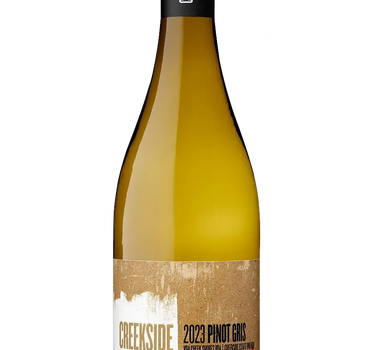
- Pinot Gris is the low-drama option. Pear and lemon, soft edges, and easy to put in front of a table that can't agree on anything.
Gewürztraminer, Viognier, Vidal and a handful of others turn up as well, so it's worth scrolling past the obvious four.
Why Cool Climate Suits White Wine
Grapes lose acidity as they ripen in heat. Canada rarely has that problem. The season is short and the nights stay cold. Fruit comes in with its acidity intact, which is why these wines finish clean.
That shows up in the food too. High-acid whites cut through butter and cream in a way warm-climate whites struggle with. That is why they hold up next to Atlantic lobster or a smoked salmon board.
Where a bottle here names its appellation, it's most often somewhere in Niagara. Prince Edward County, the Lake Erie North Shore and the Okanagan Valley all turn up on labels too, and plenty simply say VQA Ontario.
Dry, Off-Dry, or a Bit Strange
Sweetness catches people out, because it isn't obvious from the grape. Riesling in particular gets made right across the range, so two bottles of it can be completely different wines.
If you want no sugar at all, start in dry white wine. If you like a little roundness, the off-dry and sweet whites sit together, and the tasting notes are candid about where a bottle lands.
Worth knowing: an oaked wine can taste rounder while carrying no more sugar at all. Barrel time changes the texture, so trust the number in the notes over your first impression.
There's also a small strange corner of this page that most people miss. A dozen or so of these are orange wines, made by leaving white grapes on their skins the way you would a red. Skin-fermented Vidal, orange Riesling, a Pinot Gris that comes out amber. Not for everyone. Absolutely worth one bottle of your curiosity.
Buying Canadian White Wine Online
Everything here ships direct from the winery that made it, which is the part the liquor boards never got around to offering. Order from two wineries and you'll get two parcels on two timelines. That's the trade for buying small-lot wine from producers who don't have a listing to lose.
Most of what is worth opening on a weeknight sits under $30, and the dearest things on this page are multi-bottle packs, not single bottles. Canada makes genuinely good white wine, and we are well past being modest about it.
Which Canadian white wine should I start with?
Riesling, if you want the most Canadian answer. It's the grape this country does as well as almost anywhere. A dry Niagara bottle will show you what cool-climate acidity actually tastes like. If Riesling isn't your thing, an unoaked Chardonnay is the safest first move, since it shows the fruit without the barrel getting in the way. Pinot Gris is the gentlest option when you're buying for a whole table. None of these will cost you much to find out.
What's the difference between dry, off-dry and sweet?
Dry means the sugar has been fermented out, so what you taste is fruit and acid with no sweetness behind it. Off-dry leaves a little sugar in, just enough to round off the edges without reading as sweet. Sweet is unmistakable and is generally reserved for late-harvest wines and icewine, which say so on the label. The confusing part is that a wine can taste sweeter than it is: ripe fruit and oak both soften the impression. If it matters to you, look for residual sugar in grams per litre in the tasting notes, which many Canadian producers list.
How long does white wine keep once it's open?
Three to five days in the fridge, recorked. That is the honest answer for most of what is on this page. Cool-climate acidity works in your favour here: a high-acid Riesling is still drinkable on day four, when a softer wine has gone dull. What kills an open bottle is oxygen. Put the cork back in as soon as you have poured, and keep it in the fridge between glasses. A half-empty bottle fades faster than a nearly full one, which is the argument for finishing it.
What temperature should I serve it at?
Colder than most people think, but not straight from the back of the fridge. Around 8 to 10 °C suits crisp, unoaked whites, which is roughly twenty minutes out of the fridge on a warm day. Fuller, barrel-aged whites open up a little warmer, closer to 10 to 12 °C, because too much chill flattens the texture. If a wine tastes like nothing, it's usually too cold; if it tastes flabby, it's too warm. The sweeter whites here take the same treatment as the crisp ones, cold and in a smaller glass.
What food goes with Canadian white wine?
The acidity does the work, so think about anything rich enough to need cutting through. Lobster, scallops and BC salmon are the obvious ones, and butter-heavy dishes are exactly what these wines were built for. Aromatic whites like Gewürztraminer and off-dry Riesling handle heat and spice better than most. A good call for a curry, or anything with real chili in it. Goat cheese belongs with Sauvignon Blanc. And an off-dry Riesling next to a butter tart is a genuinely Canadian way to end a meal.