
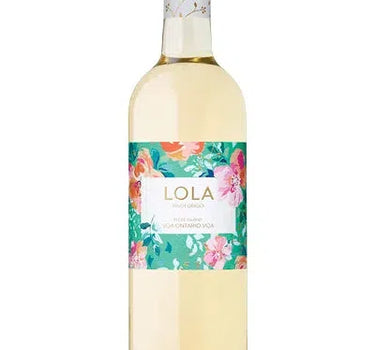
This wine is often used for the production of Icewine in Ontario. Vidal, also known as Vidal Blanc, was developed in the 1930’s by French grape breeder Jean Louis Vidal. It was brought to Canada in the late 1940’s because of its ability to survive harsh growing conditions. It is a white hybrid grape variety used to produce white wine.
Vidal produces a dry table wine that is full bodied, but its flavours amplify when turned into an Icewine. It showcases floral and fruity aromas with a sweet caramel taste. Vidal produces wines that have bright acidity, and don’t typically need much ageing.
Vidal can be very different depending on the growing season and the winemaking style. But one thing most people agree on is that Vidal produces an amazing Icewine. The grape is grown most notably within Ontario’s Niagara Peninsula, but can also be found in Nova Scotia. Serve Vidal wines chilled for the best experience.
In summary, Vidal has the following characteristics:
Vidal, also known as Vidal Blanc, is a white hybrid grape variety.
Developed in 1930’s by Jean Louis Vidal.
Brought to Canada in the late 1940’s.
Often used to produce Icewine.
Floral and fruity aromas with notes of sweet caramel.
Bright acidity, doesn’t typically need ageing.
Can be very different dependent on harvest and winemaking style.
Serve chilled for the best experience.
Frequently Asked Questions (FAQs)
Q: What is Vidal wine, and is it the same as Vidal Blanc?
A: Vidal and Vidal Blanc usually refer to the same grape, a white hybrid variety that does especially well in Canada’s cool climate. You’ll see it made as both dry table wine and as Icewine. The style on the label matters more than the grape name.
Q: What does Vidal taste like in a dry style compared to Vidal Icewine?
A: Dry Vidal often tastes fruity and floral with a fuller body than many people expect in a white, plus bright, mouthwatering acidity. Vidal Icewine is richer and sweeter, with concentrated ripe fruit and a caramel-like note. If you like Riesling for its zip, dry Vidal can be a comfortable next step.
Q: Is Vidal Icewine too sweet for beginners?
A: Not always, because good Icewine has high acidity that keeps it from feeling syrupy. Start with a small pour in a smaller glass, and serve it well chilled. If you usually like sweet cocktails or dessert wines, Vidal Icewine is an easy, confidence-boosting pick.
Q: What foods pair best with Vidal wines?
A: Dry Vidal is great with roast chicken, creamy pastas, or fish tacos, the acidity helps cut through rich flavours. Vidal Icewine shines with blue cheese, foie gras, or simple desserts like butter tarts and shortbread. For a low-stress pairing, think salty or creamy foods with the sweet style.
Q: Does Vidal need ageing, or should I drink it young?
A: Most Vidal is made to be enjoyed young, especially the dry styles, since the fresh fruit and floral notes are the whole point. Icewine can hold up longer thanks to its sweetness and acidity, but you do not need to cellar it to enjoy it. If you are unsure, chilling it properly does more for the experience than waiting years.