The story behind Pelee Island Winery
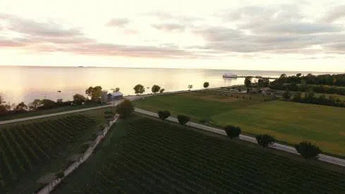
Grapes have grown on Pelee Island since 1854, which makes this one of the birthplaces of Canadian wine. The island sits in Lake Erie and holds the most southern vineyards in the country, a warmer growing spot than anywhere else Canada makes wine.
The modern winery took shape in 1979, when Walter Strehn replanted the island in vinifera. Today the vineyards run to hundreds of acres, with the tasting pavilion on the mainland in Kingsville.
Island fruit, a long warm season
The island's long, sunny season lets a wide range of grapes ripen fully, from Cabernet and Merlot to Riesling, Chardonnay, and Pinot Grigio. Everything is grown on Pelee Island itself, then made into Ontario VQA wine.
Pelee Island farms with sustainability in mind and is certified under Sustainable Winegrowing Ontario, a program it helped found. Its wines have earned recognition at the Decanter World Wine Awards, among others.
Frequently asked questions
What is Pelee Island Winery known for?
Pelee Island is one of Canada's oldest and largest estate wineries, home to the country's southernmost vineyards out on Pelee Island. Grapes have grown there since 1854, and the warm island climate ripens a broad range of VQA wines.
Where is Pelee Island Winery?
The vineyards are on Pelee Island in Lake Erie, in the Lake Erie North Shore appellation, and the winery pavilion is on the mainland in Kingsville, Ontario. It is the most southern wine region in the country.
Why can Pelee Island grow so many grape varieties?
It sits at Canada's warmest growing latitude, roughly level with northern California. The long, sunny season and the surrounding lake let both reds and whites ripen fully, which is harder to manage further north.