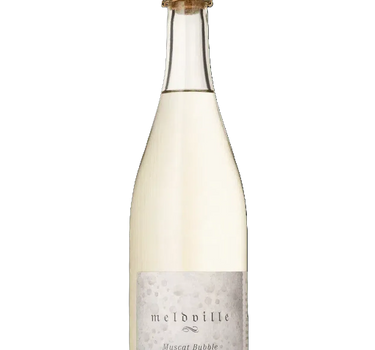
Muscat is the rare grape that smells exactly like grapes. Orange blossom, honey and fresh table fruit, in styles running from bone dry through to properly sweet.
Canadian versions lean aromatic and light, and the cool nights here keep the acidity from going flabby. Check the label before you pour, because dry and dessert styles sit side by side on this page.
Every bottle ships straight from the winery that made it.
Muscat covers a big family, not one strict variety. Ontario growers lean on the hybrid New York Muscat, and Muscat Ottonel turns up in both Ontario and British Columbia vineyards too. A big retailer skips a grape like this because it will not move by the pallet. A marketplace built on small Canadian wineries does not have that problem. A lot of Canada's production leans sparkling or frizzante, since bubbles carry that perfume even further.
Where it grows in Canada
Most of the Muscat here comes out of Ontario, Niagara mostly, with the odd bottle from Prince Edward County or Lake Erie North Shore too. A couple more come from the Okanagan. It's not a headline grape the way Riesling or Chardonnay is. That's exactly the fun of it: proof Canadian winemakers will try just about anything once.
Try this next if you love Riesling or Gewürztraminer
If Riesling and Gewürztraminer already live in your fridge, Muscat deserves a spot next to them, same floral lift, just louder. It also works well poured beside a cheese board or a bowl of salted nuts.
Is Muscat the same as Moscato?
Yes. Moscato is just the Italian name for the same Muscat family, so it's really one grape wearing two names. The variety's own aroma does the work.
Is Muscat always its own wine, or does it get blended?
Both happen here. Some bottles are pure Muscat, and others blend a splash of it into another white for extra perfume and lift.
What food goes well with Muscat?
Its aromatics can handle spice and salt better than most whites, so pour it with Thai takeout or jerk chicken. The sweeter styles pair nicely with butter tarts or Nanaimo bars.