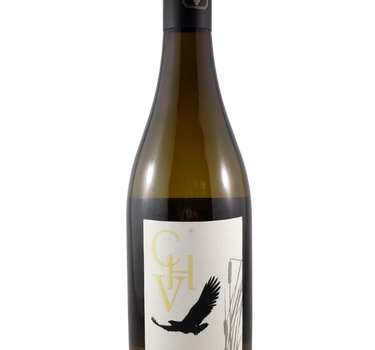
Chardonnay is the biggest section, running from bare steel to months in barrel. Riesling comes right behind it, dry through to genuinely sweet, and Ontario's wine growers name it one of the province's signature varieties. Sauvignon Blanc leans quieter and more citrus than the New Zealand style most people picture. Pinot Gris is the easy, low-drama pour for a table that can't agree on much. Gewürztraminer and Viognier turn up too, worth a look past the obvious four.
Cool nights are why it tastes this way
Grapes lose acidity as they ripen in heat, and Canada's short growing season means that rarely happens here. Cold nights hold the acid in the fruit right up to harvest. That's the actual reason nearly every bottle on this page finishes clean instead of flat. Niagara carries the bulk of it. Prince Edward County, the Lake Erie North Shore and the Okanagan Valley all show up too, and many bottles are simply labelled VQA Ontario. For a narrower search, browse dry white wine or sweet white wine directly. Wineries set their own prices here, so this isn't always the cheapest bottle on the shelf, but plenty of weeknight pours sit under $30.
What does Canadian white wine taste like?
Crisp and high in acid, rarely soft. Citrus and orchard fruit lead on nearly all of them, especially Chardonnay and Riesling. Look for backbone rather than roundness, and you're in the right place.
How do you tell dry from sweet?
The label rarely says outright, so check the tasting notes instead. Residual sugar per litre is the honest number, and many producers list it on their own site. If a bottle doesn't say, ask before buying one as a gift.
What food goes with it?
Anything rich enough to need cutting through. Lobster, scallops and BC salmon are the obvious ones, and butter-heavy dishes are exactly what these wines are built for. A drier Riesling handles spice better than most reds do.