
Kerner
Kerner is an aromatic white with tropical fruit and a firm line of acidity behind it. That tracks, because it was bred from Riesling in Germany in 1929.
It ripens early and shrugs off cold, so it suits Canadian sites well. Plantings here are very small, so this page stays short and its contents change often.
Every bottle ships straight from the winery that made it.
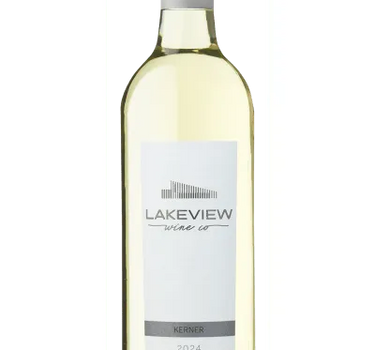
Quick view -
Kerner grape
Kerner often produces a transparent yellow to golden hued wine. The grape has a pronounced aroma of tropical fruits. The wine is medium to full bodied, it has firm structure and is often compared to its parent grape Riesling. Often aged because of its acidity, Kerner has an elegant and finessed finish. It’s often used to make varietal wines, which have rich flavours of apple, pear, citrus and stone fruit.
Kerner is one of the most popular hybrid grapes created in Germany, many growers find Kerner attractive because it’s not particularly fussy about growing conditions. In Canada, this grape can be found in British Columbia and throughout Ontario. Serve chilled for the best experience. Enjoy Kerner on it’s own or pair with white fish, grilled chicken or quiche.
In summary, Kerner has the following characteristics:
Aromatic white wine grape
Light green skin colour
Origins come from Germany
Cross between Riesling and Trollinger
Named after poet Justinus Kerner
Grown in Austria, Germany Switzerland, Italy, England, Japan and Canada
Transparent yellow to golden hue
Pronounced aroma of mixed white and tropical fruit
Medium to full bodied wine
Not fussy about growing conditions
Pair with white fish, grilled chicken or quiche
Frequently Asked Questions (FAQs)
Q: What is Kerner wine, and how is it different from Riesling?
A: Kerner is an aromatic white grape originally bred in Germany from Riesling and Trollinger. In the glass, it can feel Riesling-like for acidity and freshness, but it often leans a bit rounder and more tropical. Think apple, pear, citrus, and sometimes peachy stone fruit.
Q: Is Kerner dry or sweet?
A: Kerner can be made in a dry to off-dry style, so it depends on the producer. A quick clue is the flavour balance, dry versions feel crisp and zesty, off-dry versions taste fruitier and slightly softer. If you are sweetness-sensitive, look for notes like “crisp” and “bright,” and serve it well chilled.
Q: What does Kerner taste like in Canadian versions?
A: Canadian Kerner typically shows clean orchard fruit like apple and pear, plus citrus and a hint of tropical fruit. It is medium to fuller-bodied for a white, with a firm, refreshing backbone from acidity. If you usually like Pinot Gris or Riesling, Kerner is an easy next step.
Q: What food pairs best with Kerner?
A: Kerner is great with lighter mains and anything that likes a squeeze of lemon, like white fish, grilled chicken, and quiche. It also works nicely with sushi, scallops, or a simple roast chicken dinner. Serve it chilled, and it will feel even more focused and refreshing.
Q: Is Kerner a “hybrid” grape, and does that mean it tastes different?
A: Kerner is sometimes grouped with hybrids in casual conversation, but it is actually a cross created from two Vitis vinifera parents, Riesling and Trollinger. “Hybrid” does not automatically mean weird or sweet, it mainly speaks to how the grape was bred and how it grows. What matters in your glass is the style, Kerner is typically aromatic, structured, and very food-friendly.