Frequently Asked Questions (FAQs)
Q: What counts as Niagara Peninsula Wine?
A: Niagara Peninsula Wine comes from vineyards in Ontario’s Niagara region, where Lake Ontario and the Niagara Escarpment shape the growing conditions. You will see a range of styles, but the common thread is fresh acidity and a cool climate feel that makes wines taste lively, not flat.
Q: What does Niagara Peninsula Wine typically taste like?
A: Most Niagara wines lean bright and balanced, with clean fruit and a crisp finish, especially in whites. Reds often feel lighter on their feet, think cherry, raspberry, and gentle spice, instead of big jammy sweetness.
Q: I’m a beginner, which Niagara Peninsula Wine should I start with if I like smooth, easy wines?
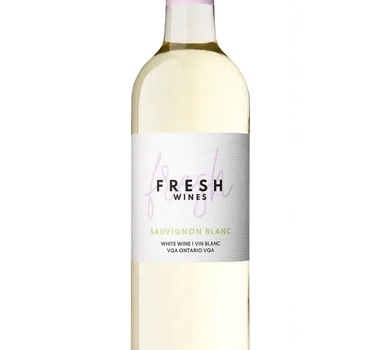
A: Start with aromatic, fruit-friendly whites if you like freshness, or lighter reds if you usually find reds “too heavy.” If you enjoy Pinot Grigio, Sauvignon Blanc, or Pinot Noir, you are already in familiar territory, just with a Canadian accent.
Q: What foods pair best with Niagara Peninsula wines?
A: Crisp whites are great with roast chicken, cedar-plank salmon, salads, and anything with lemon or herbs. Elegant reds work nicely with grilled sausages, mushroom dishes, and weeknight pasta. If dessert is on the table, a late-harvest style is a classic with butter tarts.
Q: Is Niagara Peninsula Wine always sweet, or is that a misconception about Canadian wine?
A: That’s a common mix-up; Canada makes plenty of dry wines, and Niagara is especially strong in dry, food-friendly styles. Some Niagara bottles are intentionally off-dry or sweet, but you can usually spot it on the label terms like “dry,” “off-dry,” “late harvest,” or “icewine.”