Gamay

Quick view 
Quick view 
Quick view 
Quick view - Bronze Medal

Quick view 
Quick view 
Quick view 
Quick view 
Quick view 
Quick view 
Quick view 
Quick view 
Quick view 
Quick view 
Quick view 
Quick view -
Finding Canadian Gamay
Gamay buds late and ripens early, which suits a short growing season with frost risk at both ends. That's one reason it has spread further across the country than some other reds. It's part of our wider Canadian red wine range, sold on its own or blended into a red table wine. Most bottles here sit under $30, cheap enough to buy two or three and compare side by side.
Red or rosé, both from the same grape
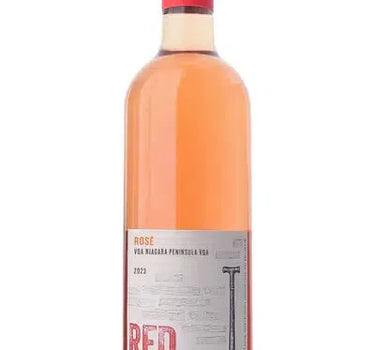
Not everything here is red. A shorter time on the skins turns Gamay into rosé, and this collection carries plenty of both styles. Check the label: a Gamay Noir is the red style, a Gamay Rosé the pink one. Some producers also use carbonic maceration, a whole-bunch technique that pushes the fruit toward banana and bubblegum rather than straight cherry.
What to pair it with
It pairs well with a maple-glazed dish or a tourtière, and rarely clashes with a table that can't agree on one dish. No swirling required. Want something with more weight? Pinot Noir from those Niagara vineyards is the next step up.
Is Gamay the same grape as Beaujolais?
Yes. Beaujolais is the French region; Gamay is the grape grown there and in Canada. A bottle labelled Gamay from Niagara or Prince Edward County is that variety, grown in a cooler climate with its own character.
What temperature should I serve it at?
Cooler than a typical red, closer to fridge temperature for ten to fifteen minutes. That drop sharpens the fruit and keeps the finish crisp. Skip a full room-temperature pour. It turns soft and a little flat.
Which Gamay should I try first?
Pick a straight Gamay or Gamay Noir from a Canadian producer for an easy, casual red. A few producers sell their own multi-bottle packs, a good way to try several wines at once. Expect a lighter pour than most other reds on the site.