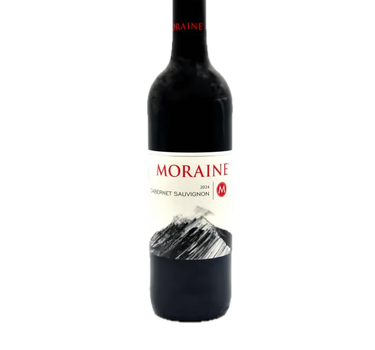
More than half of this page is blends, and nobody here is apologizing for that. Cabernet is thick-skinned and slow, so in a cool climate it gains from Merlot's flesh and Cabernet Franc's perfume. Bordeaux worked this out a long time ago. Canadian labels call it Meritage when the blend follows that recipe.
Want the grape unaccompanied? Look for the varietal name standing alone. For the softer version of the same idea, Merlot and Cabernet Franc are the neighbours worth meeting.
Where It Ripens in Canada
The South Okanagan does the heavy lifting: long hot days, cold nights, and just enough season to ripen Cabernet fully. Niagara manages it in warmer vintages and blends it in the rest. Where a bottle names its appellation, expect Okanagan Valley or Niagara Peninsula, with sub-appellations like Niagara Lakeshore and Vinemount Ridge turning up too.
Expect oak. Most of these spend time in barrel, and that is where the cedar and dark spice come from.
What to Spend
This is the premium end of the catalogue. Plenty of it sits above $40, the cheaper bottles are mostly blends, and the dearest items here are cases and packs. A good deal of it never reaches a liquor board shelf, which is rather the point.
Blackcurrant and black cherry, with cedar and dark spice from the barrel. Canadian bottles carry more acidity and a leaner line than California or Australia. Cooler vintages bring out something herbal, closer to bell pepper or dried mint.
What food goes with it?
Tannin wants fat. Grilled Alberta beef, braised short ribs or lamb all work, and aged cheddar holds its own. For a vegetarian table, roast mushrooms or eggplant give it enough to push against. Serve it a little below room temperature.
Is it worth ageing?
Often, yes. Firm tannin and good acidity are what carry a wine through time, and Cabernet has both. Reserve bottlings are the ones built for it, and five to ten years is a fair expectation. Most of the rest is made to drink now.