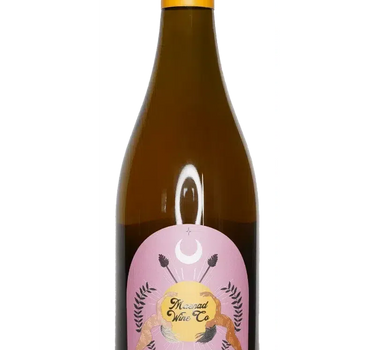
Dry White Wine
Dry versus off-dry, in plain terms
Off-dry keeps a trace of sugar on purpose, which is why some Rieslings taste rounder than a crisp Pinot Gris from the same vintage. Check the tasting notes on the product page. They're the more honest guide, since dry and off-dry can sit closer together than the words suggest. A Gewürztraminer built off-dry and a bone-dry Sémillon can come from wineries five minutes apart and taste nothing alike.
Dry white wine with Canadian food
These wines earn their place at the dinner table. Roast chicken and Caesar salad both lean on the same bright acidity that makes a dry white work. Smoked salmon is another good match, and a plate of it goes fast at a patio gathering in summer.
Where to keep browsing
Prefer a wine with a little natural sweetness? The LCBO's not here to talk you out of it. The sweet white wine collection covers that end of things. Sauvignon Blanc and Pinot Gris are two of the most dependable dry styles here. Step back to the full Canadian white wine collection, or try Chardonnay for a fuller, more textured dry style.
Frequently asked questions
Is dry the same as low alcohol or low calorie
Not automatically. A dry Chardonnay can still run 13 to 14 percent alcohol, and calories follow alcohol more than sweetness. Check the label if either number is the one you're avoiding.
Which dry white should a beginner start with
Try a Pinot Gris for something leaner and more mineral, or a Viognier if you like a fuller, almost floral style. Both show up across several Canadian wineries here, so there's room to compare before settling on a favourite.
What temperature should dry white wine be served at
Aim for 8 to 10 degrees Celsius, warmer than the fridge and cooler than a red. Pull the bottle out about 20 minutes before pouring if it's been chilling overnight, so the aromatics have room to open.