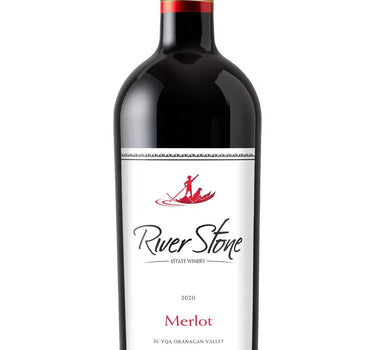
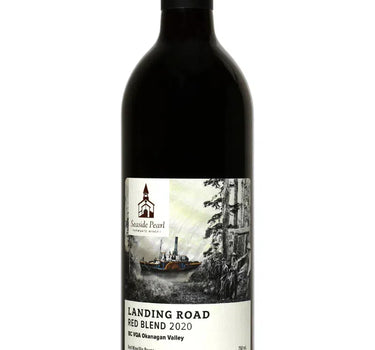
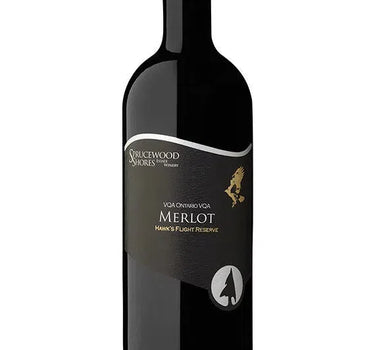
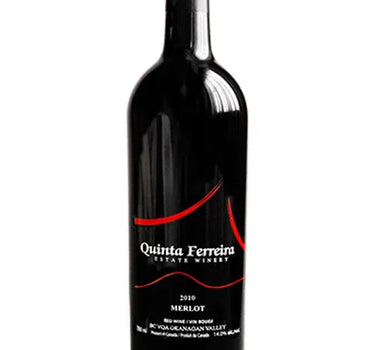
Merlot
Quick view
Quick view - Bronze Medal
Quick view
Quick view
Quick view
Quick view
Quick view
Quick view
Quick view
Quick view
Quick view
Quick view -
Merlot vs the other Bordeaux reds
Merlot is the softer of the two Bordeaux mainstays. Against Cabernet Sauvignon it gives up structure and gains flesh, which is why the two are so often bottled together. Cabernet Franc is the grape Canada has the strongest claim to. Against it, Merlot trades that herbal edge for plum and more weight.
Straight Merlot or a blend
A large share of what is on this page is red blends built around Merlot rather than straight varietal bottlings. The riper, fuller examples come out of the Okanagan Valley, where the heat suits it. Niagara's are leaner and more savoury.
Reading a Canadian Merlot label
VQA on the label means the grapes came from Ontario or BC, grown to the appellation's rules. A label that says Merlot on its own needs at least 85 percent of the grape to earn that name.
Most of what's below never touched an LCBO shelf. The LCBO's loss. For the whole category, start at Canadian red wine.
Frequently asked questions
Is Merlot a sweet wine?
No. Merlot is almost always fermented fully dry, but the ripe fruit character can taste sweet even though it isn't. Look for an off-dry or dessert-style wine if real residual sugar is what you want.
Is Merlot a good wine for beginners?
Yes. It pairs easily with everyday food, burgers, roast chicken, a weeknight pasta, so there's no pressure to get the match right. That makes it a low-stakes first bottle to build confidence with.
How can you tell Merlot from Cabernet Sauvignon in the glass?
Look at the rim. Merlot often shows a slight orange tint as it ages, while Cabernet Sauvignon stays deeper and more purple. It's not foolproof, but it's a handy first guess before you taste.