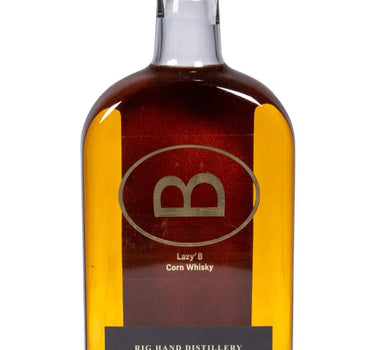
Canadian Whisky
Le whisky canadien, souvent appelé « rye », est réputé pour sa douceur et sa polyvalence. Élaboré à partir d'un mélange de céréales, dont le maïs, le seigle, l'orge et le blé, ce whisky est généralement vieilli en fûts de chêne, ce qui lui confère une saveur riche et moelleuse. Les distilleries de whisky du pays, telles que Crown Royal et Canadian Club, ont une longue tradition de production de spiritueux de haute qualité, appréciés dans le monde entier. Qu'il soit dégusté pur, avec des glaçons ou en cocktail, il offre une expérience raffinée et agréable.
Aperçu rapide Choisissez les options Voir les détails
Aperçu rapide
Aperçu rapide
Aperçu rapide -
Canadian Whisky is one of those bottles I reach for when I want something comforting but still a little nuanced, especially in our cool Canadian winters. This collection brings together Canadian-made whisky, including rye-forward styles and softer, grain-sweet blends, all showing that familiar balance of warmth, spice, and easy drinkability that Canada does so well. On My Wine Canada, it’s a simple way to explore what’s happening beyond the usual liquor store shelf.
What makes Canadian Whisky taste like Canadian Whisky
Classic flavours you can actually picture
Think gentle caramel and vanilla, toasted oak, baking spice, and a peppery rye edge. Some are lighter and smoother for casual sipping, others are bolder with more dry spice and wood. If you like Scotch for its structure but want less smoke, or bourbon for sweetness but want more spice, Canadian whisky often lands right in the middle.
Rye, blends, and the “house style”
In Canada, “rye” can mean a whisky with rye character, not always 100 percent rye. Blending is a strength here, it’s how producers build balance and consistency, then layer in regional personality.
Choosing Canadian Whisky for the moment
Canadian Whisky for sipping, mixing, and gifting
For sipping, look for richer oak and longer finish. For mixing, a brighter rye snap shines in a whisky highball, Old Fashioned, or a simple ginger ale and lime. For gifting, aim for something classic and versatile, it feels safe without being boring.
How to browse with confidence
Start with flavours you already like, sweeter and round, or dry and spicy, then explore nearby styles in our wider Canadian spirits collection.
Frequently Asked Questions (FAQs)
Q: What counts as Canadian Whisky, and is it always “rye”?
A: Canadian whisky is whisky made in Canada, usually aged in oak, and often built through blending for balance. “Rye” on a Canadian label often means it tastes rye-forward, not that it is 100 percent rye. If you want the peppery, dry spice feel, look for tasting notes that mention rye spice or cracked pepper.
Q: What does Canadian Whisky usually taste like?
A: Most Canadian whisky sits in a cosy middle ground: caramel, vanilla, toasted oak, and a bit of baking spice. Some are soft and grain-sweet, others lean drier with more rye bite and wood. If you like bourbon’s sweetness but want a little more snap, this is a friendly place to land.
Q: Is Canadian Whisky good for beginners who think whisky is “too harsh”?
A: Yes, a lot of Canadian styles are smoother and easier to sip than people expect. Start with a small pour and add a few drops of water or a single ice cube, it opens up the aroma and softens the heat. If you prefer gentler flavours, look for notes like vanilla, honey, and creamy oak.
Q: What foods pair well with Canadian Whisky?
A: Rye-leaning whiskies love salty, savoury snacks like smoked meat, aged cheddar, or peppered nuts. Softer, sweeter styles work with maple-glazed salmon, BBQ, or even butter tarts if you like that sweet and toasty combo. When in doubt, keep the food simple and let the whisky do the talking.
Q: What is a fun fact about Canadian Whisky that surprises people?
A: Canada is famous for blending, and that is not “cheating”, it is a craft that lets makers dial in smoothness, spice, and consistency. Another surprise is that “rye” has become a nickname for Canadian whisky in general, even when rye is only part of the recipe. If you are exploring a Canadian Whisky collection, tasting a couple side by side is the quickest way to spot the differences.