Best Red Wines
Canadian red wine is shaped by a short season and cold nights. That combination holds acidity in the grape and keeps the fruit fresh instead of jammy.
The range on this page runs from light Gamay and Pinot Noir up to bigger Cabernet Sauvignon and Syrah. Every bottle still ships straight from the winery that made it.
Quick view - 10% when you buy 3-bottlesGold Medal
Quick view - Gold Medal
Quick view
Quick view - Platinum Medal
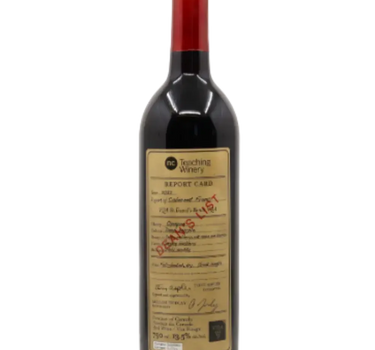
Quick view - Bronze Medal
Quick view - Gold Medal
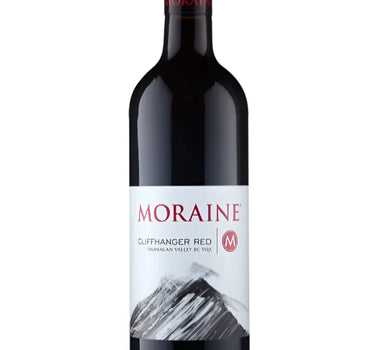
Quick view - Bronze Medal
Quick view
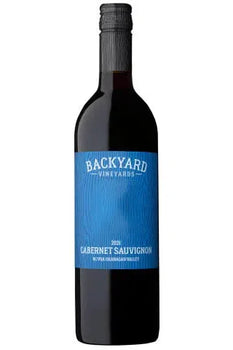
Quick view
Quick view - Gold Medal10% Off
Quick view
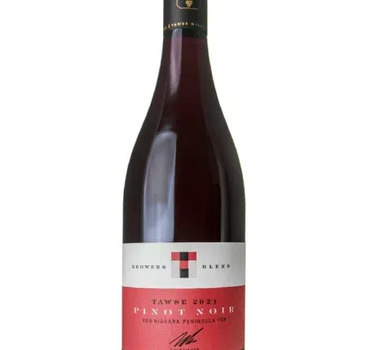
Quick view - Silver Medal10% Off
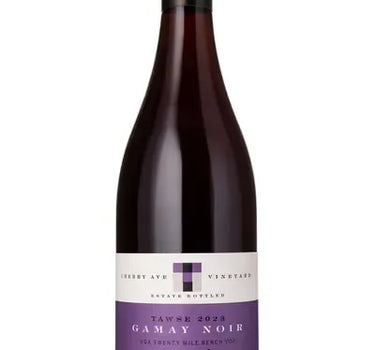
Quick view - Bronze Medal
Quick view
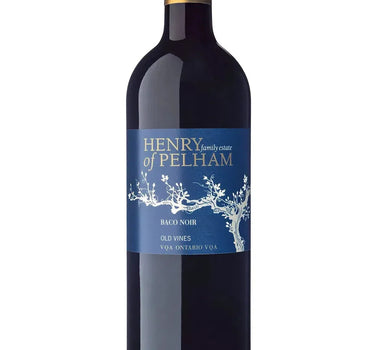
Quick view
Quick view
Quick view - Bronze Medal
Quick view - Gold Medal
Quick view
Quick view -
- 1
- 2
How we pick Canada's best red wines
Every wine on this page won a medal at the National Wine Awards of Canada, the country's largest blind-tasting competition for Canadian wine. Wines go into flights by variety and style. No label, no winery name. Just the wine, scored against everything else in the flight, and that is the whole bar for making this list. Reds that medalled somewhere else, the All Canadian Wine Championships, live on our best red wine to gift page instead. The full range, medal or not, starts at Canadian red wine. Canadian wine keeps clearing that bar, and we are done being quiet about it.
Where the medals come from
Syrah, Cabernet Franc and Pinot Noir are the grapes that keep winning here. Cabernet Franc is widely called Ontario's signature red, and it shows: red berry fruit with a herbal edge, mostly out of Niagara. Pinot Noir runs lighter than its French cousins, built around cherry and spice, and it grows in those same cool corners of Niagara that suit Cabernet Franc. British Columbia's medals lean into small-lot reds rarely seen anywhere else in Canada, Pinotage and Tempranillo among them, alongside a Cabernet Sauvignon or two.
Frequently asked questions
Does a medal mean I'll like the wine?
Not necessarily. Blind judging rewards balance and typicity, not your personal taste. A medal removes the risk of a badly made wine, which is worth something on a page this size. Loving what's inside the bottle still comes down to which style of red you actually enjoy.
What do these wines cost?
Most sit between $30 and $50, with a couple dipping under $20 and a couple climbing past $60. A gold medal on the cheaper end is not a consolation prize. It means the panel scored that wine above others in the same blind flight.
What food goes with these wines?
Cabernet Franc and Gamay both work well with tourtière, the classic Québec meat pie. Pour Pinot Noir with maple-glazed salmon or ham. The bigger BC Syrah wants Alberta beef, something with real fat to match it. Skip anything too spicy either way, since the heat fights the tannin.