
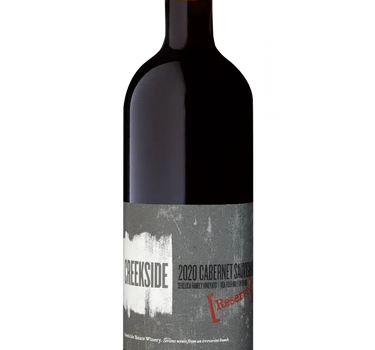
Sweet Red Wine
A sweet red wine keeps some of its grape sugar instead of fermenting all of it into alcohol.
That leaves soft tannin and ripe berry fruit, which makes it the easiest kind of red to start on. Canadian versions stay lighter than the fortified sweet reds most people have tried, and the cool-climate acidity keeps them from turning cloying. Serve them chilled.
Every bottle ships straight from the winery that made it.
Quick view - Gold Medal
Quick view
Quick view
Quick view
Quick view
Quick view
Quick view
Quick view
Quick view - Bronze Medal
Quick view
Quick view
Quick view
Quick view - Silver Medal
Quick view
Quick view
Quick view
Quick view
Quick view
Quick view
Quick view -
- 1
- 2
Sweet Red Is a Small Category, and That Is Fine
Almost every red wine made anywhere is dry, so this is a genuinely narrow corner of the Canadian red wine catalogue rather than a whole aisle. What is here ranges from barely off-dry, where a little sugar just rounds off the edges, through to properly sweet.
Worth saying plainly: sweet red has a reputation problem it mostly does not deserve. A well-made off-dry red with acidity underneath it is a good wine. A flabby one with sugar covering for thin fruit is not, and the difference is acidity, not sweetness.
Telling Sweet from Fruity
These get mixed up constantly. Ripe blackberry and plum can read as sweetness when the wine carries no measurable sugar at all, and plenty of people who say they dislike sweet red actually mean they dislike jammy. The reverse happens too: a wine with real residual sugar can taste balanced if the acid is high enough to carry it.
If you find yourself preferring the drier examples on this page, dry red wine is where to go next. The tasting notes on both pages are candid about where a bottle actually lands.
Serving and Pairing
Serve these cooler than you would a dry red. Warmth makes sugar taste heavier, so a bottle that seems cloying at room temperature can come right with twenty minutes in the fridge.
They handle the food that defeats dry reds: barbecue sauce, chilli heat, sweet-glazed pork, strong blue cheese. The rule is that the wine should be at least as sweet as the plate. For the genuinely dessert-weight end of things, dessert wine is the better page. Among the grapes, Baco Noir turns up here more than most, since its high acidity takes a little sugar well.
Frequently Asked Questions
What makes red wines sweet?
Sweet red wines get their sweetness from residual sugar left after fermentation stops. Canadian winemakers achieve this through methods like early fermentation stopping or late harvesting. Wines with more than 30g of sugar per liter are classified as sweet. The best sweet reds balance their sweetness with acidity to prevent a cloying taste.
What foods pair well with sweet red wines?
Sweet red wines pair excellently with spicy Asian dishes, where the sweetness balances the heat. They also complement chocolate desserts and rich cheeses. Canadian sweet reds are particularly versatile, pairing well with savory dishes better than many international counterparts. This culinary flexibility makes them increasingly popular in global markets.
Are all sweet red wines low quality?
No, many sweet red wines are high quality and gaining international recognition. Canadian sweet reds in particular are acclaimed for their remarkable balance and vibrant acidity.
How sweet are dessert red wines compared to regular sweet reds?
Dessert red wines typically contain significantly more sugar than regular sweet reds. While sweet red table wines might have 30-50g of sugar per liter, dessert wines like Port or ice wine can contain 100-200g per liter. Dessert wines are specifically crafted to be consumed in smaller portions, often as an accompaniment to dessert or as a dessert themselves.