Frequently Asked Questions
Is Canadian wine more expensive than imported wine?
Bottle for bottle at the low end, usually a little, yes. A $15 import is often blended in enormous volume and shipped by the container. That scale is hard to beat. Most of the wineries here are small, and small costs more per bottle. What you get in exchange is wine from a named producer working with Ontario fruit. A few bottles on this page are non-vintage blends, and they say so on the label. The gap at $15 to $20 is usually a couple of dollars, which is less than most people assume before they check.
Are these wines available at the LCBO?
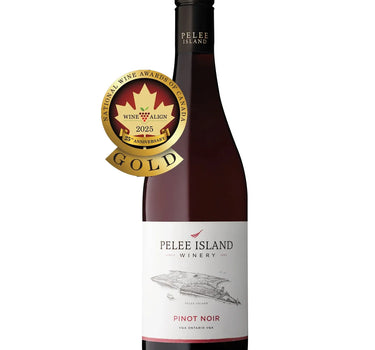
A few, yes. Henry of Pelham's Baco Noir and several Pelee Island bottles are LCBO regulars, and you'll recognize them on the shelf. Most of what's here isn't. Small Ontario wineries typically get one or two listings at the liquor board, if any. The rest of the range only exists at the winery door or online. That's the gap this marketplace fills. A store with finite shelf space has to stock what sells everywhere. The rest of a small winery's range needs a different route to you.
What should I eat with an inexpensive Canadian red?
Match the weight, not the price. A Baco Noir has the acid and grip for tourtière or braised short ribs, and it does fine with anything off a charcoal barbecue. Gamay is lighter and goes with roast chicken or maple-glazed salmon. The Cabernet-Merlot blends are the flexible ones, happy next to a burger or a Tuesday lasagna. If you're serving poutine, and no judgement here, pour something with real acidity so the gravy doesn't flatten it. None of this is a rule.
How long will an inexpensive red keep?
Unopened, a couple of years in a cool cupboard is fine. These wines are made to drink young, so there's no reward for waiting. They won't fall apart either. Store them on their side and out of direct sun, somewhere around 12 to 16 °C. You don't need a wine fridge for any of this. Once opened, you've got two or three days with the cork pushed back in. Some of them taste better on day two, once the fruit settles.
Does buying direct from the winery cost more?
Often, yes. Each winery ships its own package, so an order from three wineries arrives as three deliveries on three timelines. Glass is heavy and Canada is wide, so shipping shows up as a real line on the bill. What you get for it is wine that never sat in a distribution warehouse. You also reach bottles that were never going to be stocked anywhere near you. If that trade doesn't appeal, order from one winery at a time and the maths gets simpler.