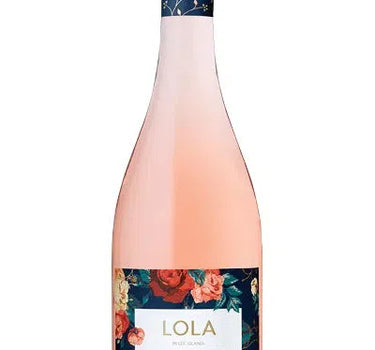
Sweet Rosé Wine
Sweet rosé keeps some grape sugar through fermentation, giving juicy berry flavour and a softer finish than a dry pink.
It is usually the easiest rosé to start on, and the easiest wine to hand someone who says they do not like wine. Canadian acidity keeps it fresh rather than sugary. Serve it properly cold.
Every bottle ships straight from the winery.
Quick view - Free Shipping
Quick view
Quick view - Free Shipping
Quick view
Quick view
Quick view
Quick view
Quick view
Quick view
Quick view
Quick view
Quick view
Quick view
Quick view
Quick view
Quick view
Quick view
Quick view
Quick view - Bronze Medal
Quick view -
- 1
- 2
Sweet Rosé Wine is the bottle I reach for when someone says, “I want something pink, easy, and not too serious.” At My Wine Canada, this collection brings together sweet rosé wines and off-dry rosés that lean fruit-forward, with flavours like strawberry, watermelon candy, and ripe peach, plus a soft, friendly finish.
Why Sweet Rosé Wine feels so easy to love
What “sweet” means in Sweet Rosé Wine
In practice, sweet usually means you get more berry and stone fruit on the palate, less sharp tang. These wines can still be refreshing, just with a bit more roundness, kind of like adding a splash of juice to sparkling water. If you find some dry rosés a little tart, this is a calmer lane.
Who this style is for
Great for newer wine drinkers, patio people, and anyone who likes fruit-forward red wines but wants something lighter. It also plays nicely at brunch, baby showers, cottage weekends, and “I brought something everyone will drink” dinners.
How to pick your bottle, and what to serve with it
Sweet rosé wines by vibe
For pure refreshment, look for lighter-bodied, crisp off-dry rosés. For more “dessert-adjacent” sipping, go for richer, riper styles. If you usually like Moscato or cooler drinks, start lighter.
Pairing Sweet Rosé Wine with real Canadian food
Try it with spicy wings, sushi, smoked salmon, charcuterie, or strawberry shortcake. Want to compare styles first? Browse rosé wine or check out our best rosé wine picks for a drier, more classic direction.
Frequently Asked Questions (FAQs)
Q: What counts as “sweet” in Sweet Rosé Wine, and is it the same as dessert wine?
A: In Sweet Rosé Wine, “sweet” usually means noticeable fruit sweetness and a softer finish, not that sticky, syrupy vibe people worry about. It is often best described as off-dry to medium-sweet. Dessert wines are typically much sweeter and heavier.
Q: What does Sweet Rosé Wine actually taste like?
A: Expect strawberry, watermelon, and peachy fruit, sometimes with a candy-like note, plus gentle acidity that keeps it refreshing. If very dry rosé tastes a bit sharp to you, sweet rosé tends to feel rounder and easier. Serve it well chilled for the cleanest, freshest flavour.
Q: I’m new to wine, will sweet rosé be a safe choice for my palate?
A: Yes, for lots of people it is a comfortable starting point because it is fruit-forward and low-stress. If you like Moscato, fruit cider, or cocktails that lean juicy, you will probably feel at home here. If you prefer very crisp, tart flavours, you might want to compare it to a drier rosé style too.
Q: What foods pair best with Sweet Rosé Wine?
A: Think spicy or salty snacks, sushi, smoked salmon, charcuterie, and anything with a little heat, like wings or jerk chicken. The touch of sweetness helps calm spice and the acidity keeps things from feeling heavy. It also works surprisingly well with brunch, like waffles with berries or a simple eggs-and-toast spread.
Q: Is sweet rosé just “cheap pink wine,” or can it be well made?
A: That old stereotype sticks around, but sweetness is a style choice, not a quality shortcut. Plenty of Canadian producers make thoughtful rosés with real fruit character and balance, especially in cool-climate regions where acidity stays bright. The key is looking for a wine that tastes fresh and clean, not flat or cloying.