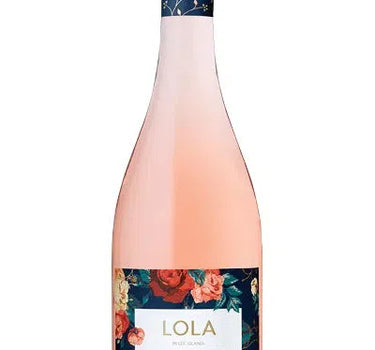
Sparkling rosé is pink wine with a fizz. It's usually made by giving red grape skins a short soak before pressing, or by blending a little red into a white base. Canadian versions lean fresh: strawberry, raspberry, sometimes citrus, with the snappy acidity that cool Niagara and Okanagan nights hold onto naturally. A rare bottle or two uses the traditional method, with real time on the lees for a toastier edge. Others keep it simple and bright. Buy it here and the winery ships it to you directly, not off a liquor store shelf.
Many wineries here use the Charmat method: a second fermentation in a sealed tank, then bottling under pressure to trap the bubbles. It keeps the fruit bright and the price reasonable. A smaller number age the wine on its lees for months first. That's the same idea behind traditional-method Champagne: trade a little fruit for a toastier, breadier note. Occasionally a winery skips fermentation altogether and simply carbonates a still rosé. The Niagara Peninsula has the deepest bench of options, and Okanagan wineries in British Columbia make their own too. If you'd rather skip the pink and keep it simple, our sparkling wine collection covers the rest.
Picking one for the occasion
Reach for a Charmat-style bottle for a patio afternoon or a bridal shower, where fruit and easy drinking matter more than ceremony. Save the toastier, longer-aged bottle for a toast that deserves a bit more of it. Either style goes well with salty food: a peameal bacon sandwich or a plate of sushi. Prefer your pink wine without the fizz? Our rosé wine collection has the still versions, and dry rosé wine is the place to start if you like it crisp. If red fizz is more your speed, try sparkling red wine instead.
Is Canadian sparkling rosé usually sweet?
Most sit on the sweeter side of the scale, closer to "extra dry" than true brut, despite what the name suggests. If you want it properly dry, check the label for "brut," the one with the least sugar.
How can you tell how a sparkling rosé was made?
Check the back label. "Traditional method" or a stated time on the lees points to the Champagne-style approach. If the label stays quiet, it's usually the quicker Charmat, tank-fermented approach, the more common one here.
What's a good occasion for sparkling rosé?
Anywhere you'd pour Champagne but want something a little less formal works, a backyard barbecue or the first warm evening of spring. It's an easy pour for guests who don't normally drink wine.