
Filtrer et trier
(0)
Aperçu rapide 
Aperçu rapide
1-2 produits sur 2
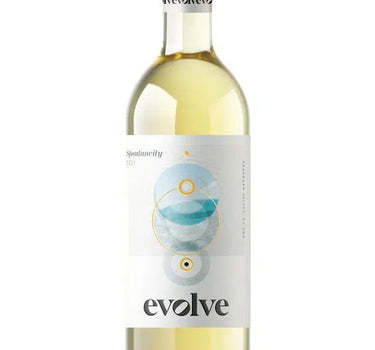
Ce cépage produit généralement un vin demi-sec, proche du muscat. Il a été développé en 1948 par Hans Breider en Allemagne, suite à un croisement entre le Müller-Thurgau et le Siegerrebe. Breider lui a donné ce nom en hommage au poète et philosophe espagnol José Ortega y Gasset. L'Ortega est un cépage à la peau jaune clair, produit comme vin de cépage, notamment en Angleterre, en Allemagne et au Canada.

L'Ortega et le Muscat se ressemblent par leurs arômes floraux puissants et leur saveur fruitée et sucrée. L'Ortega est souvent utilisé dans les assemblages en raison de son arôme et de sa saveur sucrés. Il peut être utilisé en complément du Riesling dans de nombreux vins doux. Les vins à base d'Ortega ont une faible acidité, mais peuvent également apporter de la rondeur dans un assemblage.
L'Ortega n'est pas particulièrement sensible au gel et mûrit tôt. La vigne est robuste, mais malheureusement peu résistante aux maladies. Grâce à sa résistance au gel, l'Ortega est présent partout au Canada, notamment en Nouvelle-Écosse, en Ontario et en Colombie-Britannique.
Associez les vins Ortega à des fruits de mer frais, des plats de légumes ou des fromages salés pour accentuer son goût sucré.
En résumé, Ortega présente les caractéristiques suivantes :
A: Ortega is a white grape that tends to make very aromatic, floral wines with ripe, fruity flavours. It is often used in blends to add perfume and a softer, rounder feel. In the glass, it can remind people of Muscat, just a little less grapey.
A: Many Ortega wines come across as off-dry to sweet because the aromas and fruitiness read “sweet,” even if the label is not a dessert wine. It also usually has lower acidity, so it feels softer and less zippy than something like Sauvignon Blanc. If you like wines with a gentle, easy finish, Ortega is a good place to start.
A: Probably, yes, especially if you’re drawn to floral whites with peachy, honeyed vibes. Ortega can be a bit rounder and lower in acidity than many Rieslings, so it can feel less tart. If you find super crisp whites a little sharp, Ortega may be more your speed.
A: Think fresh seafood, veggie dishes, and salty cheeses, anything that likes a touch of fruitiness alongside it. I reach for it with smoked salmon, sushi, or a cheese board where there’s a salty element to balance the sweetness. It also works nicely with lightly spiced dishes, as long as the heat is not too intense.
A: Ortega ripens early and handles frost better than many grapes, which is handy in cool-climate spots. That is why you’ll see it in places like Nova Scotia, Ontario, and parts of British Columbia. Fun fact, it was originally developed in Germany as a crossing of Müller-Thurgau and Siegerrebe.
Bénéficiez de ventes exclusives, de promotions, de sorties spéciales, de nouveautés et bien plus encore !
© 2026 My Wine Canada, Tous droits réservés. Commerce électronique propulsé par Shopify