Chardonnay
Quick view
Quick view
Quick view
Quick view
Quick view
Quick view
Quick view
Quick view - Bronze Medal
Quick view
Quick view
Quick view
Quick view
Quick view
Quick view
Quick view
Quick view
Quick view
Quick view
Quick view
Quick view -
Bare Steel Through to Full Barrel
Chardonnay takes on whatever the winemaker gives it, so where a bottle sits on the oak spectrum tells you more than the vintage or the producer does. This page runs the whole range. Read it in three bands.
- Unoaked. Labelled “unoaked” or “non-oaked,” fermented in steel or concrete and never near a barrel. Green apple, pear and grapefruit, then honeydew and lime. The leanest end of the page, and usually the least expensive. Pour it cold when you want white wine and no discussion about it.
- Lightly oaked. Part of the blend barrel-aged, or rested in older barrels that lend texture without much toast. Vanilla, peach and pear over the citrus, with a rounder middle. Most wineries working here will tell you oak should be to wine what seasoning is to food.
- Barrel-fermented and reserve. Whole-cluster pressed, months in French oak, often off older or lower-cropped vineyards. Golden in the glass, ripe tree fruit, a little toast, and a longer finish. “Reserve” on a Canadian Chardonnay label almost always means this.
Why Canadian Chardonnay Tastes the Way It Does
Chardonnay is a famously blank grape. It takes on the character of where it grew and what the winemaker did to it. That is how one variety covers everything from lemon rind to buttered toast.
In Canada the growing season is short and the nights are cold, so grapes hold their acidity right through it. The wines arrive fresh, leading with citrus and orchard fruit. That style has a following: Niagara hosts the International Cool Climate Chardonnay Celebration, now in its sixteenth year, with Chablis and Burgundy houses pouring alongside the Ontario ones.
Where a bottle names its appellation, it is usually somewhere in Niagara. Prince Edward County and the Okanagan Valley both turn up as well, and plenty of labels just say VQA Ontario.
Oaked or Unoaked, and How to Tell
This is the decision that changes the wine most.
Unoaked spends its life in steel or concrete, staying lean and citrusy. It is the safer pick if you normally drink Pinot Grigio, Riesling or Sauvignon Blanc. Oaked spends months in barrel, which softens the acid and adds vanilla, toast and weight.
Labels say so outright more often than you would expect. Price is a loose signal at best — some of the more heavily oaked bottles here sit well below the reserve tier, and the cleanest unoaked ones are not always the cheapest thing on the page.
It's Also What the Bubbles Are Made Of
Around a quarter of this page is not still wine at all. Blanc de Blancs means a white wine made only from white grapes, and in Canada that almost always means Chardonnay. Traditional-method Canadian sparkling often blends it with Pinot Noir instead, resting two or three years on the lees before disgorging.
Worth knowing before you filter the page down to still bottles. If you are shopping the value end, our wines under $30 page spans the whole range. The rest of our Canadian white wine sits one level up.
Pick two or three across the oak spectrum and see which end you actually want. They come straight from the people who made them.
Frequently Asked Questions
Is Chardonnay a white wine?
Chardonnay is a green-skinned grape, so almost everything made from it is white, including nearly all of this page. Two exceptions are worth knowing. Sparkling rosé blends Chardonnay with a red grape like Pinot Noir, which is why a bottle here might look pink. Chardonnay Icewine stays white but turns sweet, and gets served in small pours. The skins carry no colour into the wine. Anything pink in a Chardonnay glass got there from another grape, which is what you are seeing if a rosé turns up in your filter.
Is Chardonnay sweet or dry?
Almost always dry. The confusion is understandable. Oaked Chardonnay tastes round and buttery, and our palates read that softness as sweetness even with very little sugar in the glass. Texture is doing the work, not sugar. If you want a genuinely sweet one, look for a late-harvest bottling or a Chardonnay Icewine, both of which say so plainly on the label. The rest is dry or close to it, barrel or no barrel. A few carry a couple of grams of residual sugar to round the edges. Where that happens, the tasting notes list it in grams per litre.
What does Canadian Chardonnay actually taste like?
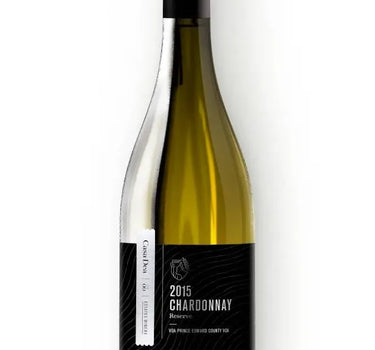
Crisper than most people expect, and easier to place once you know what to look for. Green apple, pear and lemon do most of the talking. Tropical fruit almost never turns up. Prince Edward County adds a chalky edge off the limestone underneath it, which you can taste in the Casa-Dea. Lakeshore bottles run a touch rounder, and Okanagan fruit ripens further into peach. If a glass tastes broad and soft with no lift at the end, it is probably not Canadian.
How much should I spend on a bottle of Chardonnay?
Around $20 buys a well-made unoaked bottle for a weeknight. Between $25 and $40 sits most of the barrel-fermented and single-vineyard wine, and that band is where Canadian Chardonnay gets interesting. Above $60 the page thins out fast, and most of what is left up there is gift packs or icewine rather than dry Chardonnay. The dearest single dry bottle here is $80. You do not have to go anywhere near that to drink well. The mid-twenties covers most of what is worth trying.
What should I serve with Chardonnay?
The style matters more than the occasion here. Unoaked is built for shellfish, so lobster, oysters, grilled shrimp or a plate of BC salmon all work. Oaked Chardonnay wants something with fat to push against: roast chicken, or corn on the cob dripping with butter. Smoked salmon is the safe answer either way, and it is hard to go wrong with a plate of Atlantic lobster. If the table cannot agree, open one of the sparklings and let it sort itself out.