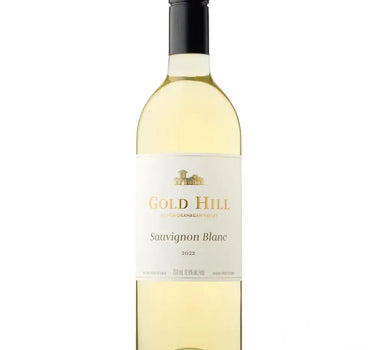
Is Sauvignon Blanc dry or sweet?
Nearly all of it is dry, and that goes for almost everything on this page. A few bottles carry two or three grams of residual sugar to soften the edges, which reads as a rounder texture on the palate. The genuinely sweet ones are the icewine and the late-harvest bottlings. Most say so right in the name, though the odd one only admits it down in the tasting notes, so give those a quick read before you add anything to your cart. Barrel-aged bottles can taste rounder while staying every bit as dry, because time in oak and on the lees softens how the acidity comes across.
What does Canadian Sauvignon Blanc taste like?
Think citrus first. Lime and grapefruit do most of the talking, with gooseberry close behind and a green, herbal note that often reads as fresh-cut grass. Tropical fruit turns up more than you might expect, guava especially, though the citrus usually leads. Some of these finish on a flinty, almost stony note, which is a cool-climate signature and a nice thing to catch once you're looking for it. What most of them share is acidity, which is why a glass makes more sense next to food than on its own.
What should I serve with it?
Green things, mostly. Grilled asparagus, a salad with plenty of herbs, and goat cheese above all, which is the classic match for good reason. Seafood works just as well, so smoked salmon, oysters, BC spot prawns, or fish tacos on a Tuesday night. The barrel-aged bottles carry more weight and can handle roast chicken or something creamy without disappearing underneath it. Serve it properly cold, somewhere around 8 to 10 °C, since a warm glass loses the snap that makes it fun in the first place.
Sauvignon Blanc or Pinot Grigio?
They overlap more than people assume, and both want to be served cold. Pinot Grigio, or Pinot Gris as most Canadian labels have it, is the quieter one. Pear and lemon, not much aroma, and easy to put in front of anyone. Sauvignon Blanc has more to say for itself, with a herbal lift and a longer finish. It holds up against garlic and fresh herbs where a Pinot Grigio would vanish. Say your table drinks Pinot Grigio and you'd like to move them somewhere more interesting. A steel-fermented Sauvignon Blanc is the easy step across.
How much should I spend on a bottle?
Around $20 buys a well-made steel-fermented bottle for a weeknight, and a handful here cost less than that. Between $20 and $40 you'll find most of the barrel-aged wines, which is where the grape gets more interesting. Above $40 it's mainly multi-bottle gift packs and the sweet wines, and the sweet ones come in a much smaller pour. You don't need to spend much to drink well here. For a first Canadian Sauvignon Blanc, something in the mid-twenties will tell you plenty.