
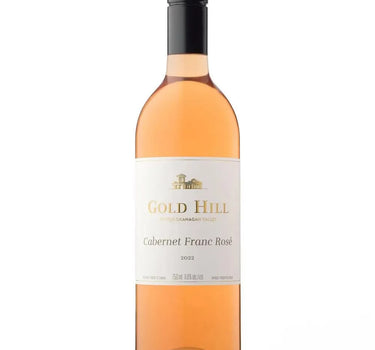
Rosé Wine

Rosé is made from red grapes with the skins taken out early, which is where the colour comes from and why it drinks lighter than a red.

Expect strawberry, citrus and melon, and expect it dry far more often than sweet. Canadian rosé stays crisp because the nights here stay cool, and it handles a lot more food than its patio reputation suggests.

It goes from the winery's cellar to your door, nothing else in between.

Filter and sort (0)
Sort by
Hide filters
View as
Filter and sort
Clear all

Is Canadian rosé dry or sweet?

Assume dry unless the label says otherwise. The default here is crisp, with any sweetness coming from ripe fruit rather than added sugar. A few wineries do make an off-dry version, so check the back label if sugar level matters to you.

What food goes with Canadian rosé?

More than you'd think. Its acidity cuts through grilled salmon, a charcuterie board, or roast chicken just as easily as a summer salad. Serve it cold and it holds up at the table all year, not only in summer.

Still or sparkling rosé, what's the difference?

Still rosé is the everyday pour. Sparkling rosé goes through a second fermentation for the bubbles, the traditional method used for high-end sparkling wine worldwide. Most bottlings here say which one they are right on the label.