Red Wine
Quick view
Quick view
Quick view
Quick view
Quick view
Quick view
Quick view
Quick view
Quick view
Quick view Choose options View details
Quick view
Quick view
Quick view
Quick view
Quick view
Quick view
Quick view
Quick view
Quick view
Quick view -
Start With the Grape
Nine hundred-odd bottles is a lot to scroll. The fastest way through this page is to pick a grape and let it narrow the field for you.
- Cabernet Franc is the grape Canada has the strongest claim to. Niagara ripens it properly in a way most of the world cannot, and it comes out with red fruit, a green herbal edge and real structure underneath.
- Pinot Noir wants a cold climate and gets one here. Prince Edward County grows it over limestone; the Okanagan gives it more flesh. Light in colour, never light in flavour.
- Gamay is the weeknight answer. Bright, low on tannin, happy slightly chilled, and it will sit next to salmon or a roast chicken without a fuss.
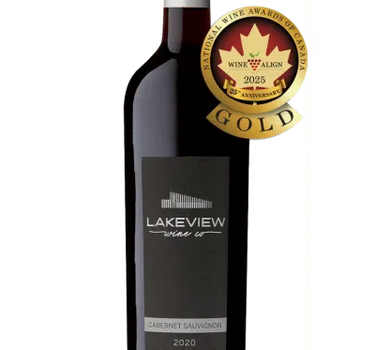
- Cabernet Sauvignon needs heat, so it comes almost entirely from the south Okanagan. Darker, firmer, and the closest thing on this page to what most people picture when they hear red wine.
- Baco Noir barely exists outside Ontario. Smoky, dark, a little rustic, and the bottle to hand someone who thinks they already know every red grape worth knowing.
Merlot, Syrah, Malbec and a long tail of blends fill in the rest, so it pays to scroll past the five above.
What a Short Season Does to Red Wine
Red grapes need heat to ripen and Canada is careful with it. That sounds like a handicap and mostly is not. The fruit comes in with its acidity still intact, so these reds land fresher and lighter on their feet than the same grape grown somewhere hot, with more red fruit than jam and less alcohol behind it.
It also means the region on the label tells you more here than it would elsewhere. The warmer sites in the south Okanagan carry the Cabernet and the Syrah. Niagara and Prince Edward County, cooler and closer to the water, do the Cabernet Franc, the Gamay and the Pinot Noir. Same country, genuinely different wine.
Pick a Weight, Not a Grape
If grape names are not how you shop, body is the more useful filter. Match the weight of the wine to the weight of the food and you will be right most of the time.
Nearly everything here is dry, so dry red wine is less a niche than a starting point. When dinner has real weight to it, steak, short ribs, a stew that has been going since noon, go to full-bodied red wine instead.
Tannin is the other thing worth knowing. It is the drying grip along your gums rather than a flavour, and fat cuts straight through it. A tannic red that feels harsh on its own can turn soft the moment there is cheese or a well-marbled steak in front of it.
Buying Canadian Red Wine Online
Most of this page never reaches a liquor board shelf. These are small lots from wineries that do not make enough to bother with a provincial listing, which is the entire reason a marketplace like this one exists.
Everything ships direct from the winery that made it. Order from two wineries and two parcels turn up on two timelines, which is the honest trade for buying at this scale. Plenty of the best drinking sits under $30, and the dearest things here are mostly multi-bottle packs rather than single bottles.
Frequently Asked Questions
Can I age Canadian red wine, or should I just drink it now?
Not all reds are built for the long haul, but when a wine's got structure, acidity, and balance—like a solid Cabernet or Merlot from British Columbia—it’s worth the wait. You’re not aging it for bragging rights, but rather because the taste will improve significantly. Just keep the bottles cool, dark, and horizontal. No fancy cellar needed. A closet works just fine.
I don't have a fancy wine fridge—how do I store red wine at home?
You're not alone. Most of us don’t have a basement cellar like the pros. Just keep your bottles somewhere cool and steady—think 12 to 15°C. Under the bed, in a closet, maybe the back of a kitchen cupboard (just not above the stove, please). Lay bottles on their side so the cork doesn’t dry out. No sun, no heat, no kerfuffle. You’ll be just fine.
Is Canadian red wine a good gift? Will it impress people?
Totally. It’s unexpected, which makes it feel more personal. Canadian red wine says “I didn’t grab this off a big box shelf.” You’re gifting small-batch juice with real roots—literally. Think Syrah from the South Okanagan or a bottle of Niagara Pinot that drinks way above its weight. And if your recipient isn’t familiar with Canadian reds? Even better. You just gave them something new to rave about at their next dinner party.
I'm new to wine. What red should I try that won't scare me off?
Beginners should start with Canadian Gamay or Pinot Noir, as these lighter-bodied reds offer approachable fruitiness with soft tannins. Niagara Peninsula Merlot provides a smooth, medium-bodied introduction with familiar flavors. Okanagan Cabernet-Merlot blends balance fruit and structure for an accessible experience. These wines showcase Canadian winemaking quality while being gentle enough for developing palates. They're versatile with food and provide an excellent foundation for exploring more complex Canadian reds.
Should I decant red wine before serving?
Yes, decanting bolder red wines is recommended to enhance their flavors. The process allows the wine to "breathe," softening harsh tannins and opening up complex aromas that might otherwise remain hidden. Decanting is particularly beneficial for full-bodied wines like Cabernet Sauvignon and aged reds. For optimal results, decant reds 30-60 minutes before serving, while lighter reds may need just 15-30 minutes.