Affordable Red Wines
Aperçu rapide
Aperçu rapide
Aperçu rapide
Aperçu rapide
Aperçu rapide
Aperçu rapide
Aperçu rapide
Aperçu rapide
Aperçu rapide
Aperçu rapide
Aperçu rapide
Aperçu rapide
Aperçu rapide
Aperçu rapide
Aperçu rapide
Aperçu rapide - Bronze Medal
Aperçu rapide
Aperçu rapide
Aperçu rapide - Bronze Medal
Aperçu rapide -
Our Picks for the Best Inexpensive Wines Under $20
Five to start with, cheapest first. Prices and vintages move, so check the bottle before you count on it.
- **Frisky Red, Frisky Beaver** (about $14). Black cherry and blackberry on the nose. Mostly stainless steel, with a portion aged in French and American oak to soften the tannins.
- **Fogolar Baco Noir Marquette 2019, Collab Wine & Beverage** (about $15). Two cold-hardy hybrids blended together. Lighter than Baco usually goes: raspberry and red plum, and it takes a slight chill well.
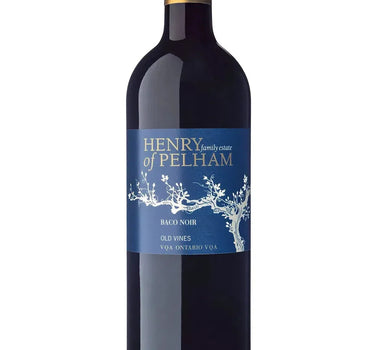
- **Baco Noir 2025, Henry of Pelham** (about $17). From the people who made Ontario take Baco seriously in the first place. Full bodied, with strawberry, mulberry and a hint of black pepper.
- **Ephemere Gamay Noir 2022, Holland Marsh** (about $19). Made in the Lambrusco style, so it is lightly fizzy and wants to be cold. Blueberry jam and red currant. The winery calls it a white drinker's red, which is fair.
- **Estate Gamay 2020, Casa-Dea** (about $20). VQA Prince Edward County. Juicy berry fruit over soft tannins, finishing with a little oak spice.
Canada's Cheapest Reds Are Often Hybrids
Baco Noir is the one to know. A French breeder named François Baco crossed Folle Blanche with a wild North American vine in 1902. The result shrugs off winters that would kill a Cabernet vine. Ontario has leaned on it ever since, and it is now the province's second most planted red.
Hardy vines are cheaper to farm. Fewer losses over winter, fewer sprays to buy. That difference shows up in the shelf price. Marquette does a similar job and shows up in a couple of the blends here. Maréchal Foch appears in one. The full Baco Noir list has its own page.
What $20 Buys You
Wine pricing is less mysterious than it looks. Glass, cork, freight and tax take their cut before anyone thinks about the wine itself.
At $50 you're paying for time: barrel aging, and the patience to hold a wine back for a couple of years before releasing it. At $20 you're paying for fruit. The wine goes into tank, comes out fresh, and reaches you while it still tastes like the grape.
Where in Ontario They Come From
Every winery on this page right now is an Ontario one, spread further across the province than you might expect. Niagara supplies the biggest share, from the lakeshore at Niagara-on-the-Lake up onto the Escarpment benches. The Lake Erie North Shore is next, sitting near 42 degrees north with the longest growing season in the country. Prince Edward County sends a few. So do Norfolk County and the Holland Marsh, north of Toronto.
Want to widen the net past red? Our wines under $30 page covers whites, rosé and sparkling a little further up the price range. The full range of Canadian red wine sits one level up.
Pick two or three and see which ones you'd buy again. They come straight from the people who made them.
Frequently Asked Questions
Is Canadian wine more expensive than imported wine?
Bottle for bottle at the low end, usually a little, yes. A $15 import is often blended in enormous volume and shipped by the container. That scale is hard to beat. Most of the wineries here are small, and small costs more per bottle. What you get in exchange is wine from a named producer working with Ontario fruit. A few bottles on this page are non-vintage blends, and they say so on the label. The gap at $15 to $20 is usually a couple of dollars, which is less than most people assume before they check.
Are these wines available at the LCBO?
A few, yes. Henry of Pelham's Baco Noir and several Pelee Island bottles are LCBO regulars, and you'll recognize them on the shelf. Most of what's here isn't. Small Ontario wineries typically get one or two listings at the liquor board, if any. The rest of the range only exists at the winery door or online. That's the gap this marketplace fills. A store with finite shelf space has to stock what sells everywhere. The rest of a small winery's range needs a different route to you.
What should I eat with an inexpensive Canadian red?
Match the weight, not the price. A Baco Noir has the acid and grip for tourtière or braised short ribs, and it does fine with anything off a charcoal barbecue. Gamay is lighter and goes with roast chicken or maple-glazed salmon. The Cabernet-Merlot blends are the flexible ones, happy next to a burger or a Tuesday lasagna. If you're serving poutine, and no judgement here, pour something with real acidity so the gravy doesn't flatten it. None of this is a rule.
How long will an inexpensive red keep?
Unopened, a couple of years in a cool cupboard is fine. These wines are made to drink young, so there's no reward for waiting. They won't fall apart either. Store them on their side and out of direct sun, somewhere around 12 to 16 °C. You don't need a wine fridge for any of this. Once opened, you've got two or three days with the cork pushed back in. Some of them taste better on day two, once the fruit settles.
Does buying direct from the winery cost more?
Often, yes. Each winery ships its own package, so an order from three wineries arrives as three deliveries on three timelines. Glass is heavy and Canada is wide, so shipping shows up as a real line on the bill. What you get for it is wine that never sat in a distribution warehouse. You also reach bottles that were never going to be stocked anywhere near you. If that trade doesn't appeal, order from one winery at a time and the maths gets simpler.