Best Red Wines
Canadian red wine is shaped by a short season and cold nights, which hold acidity in the grape and keep the fruit fresh instead of jammy.
The range runs from light Gamay and Pinot Noir through to Bordeaux-style blends out of the South Okanagan. These are the reds that sell and score best across the marketplace.
Every bottle ships straight from the winery that made it.
Aperçu rapide - Gold Medal
Aperçu rapide
Aperçu rapide - Platinum Medal
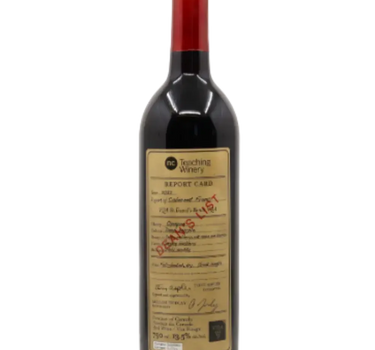
Aperçu rapide - Bronze Medal
Aperçu rapide - Gold Medal
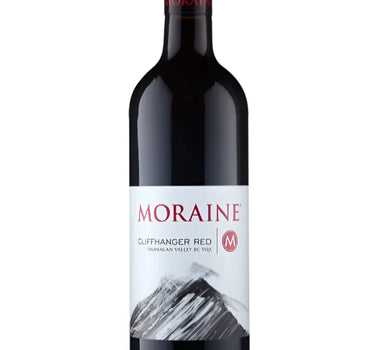
Aperçu rapide - Bronze Medal
Aperçu rapide
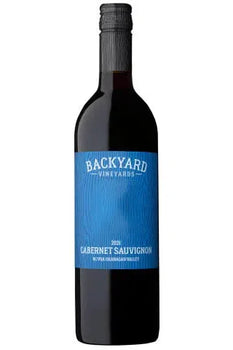
Aperçu rapide
Aperçu rapide - Gold Medal10% Off
Aperçu rapide
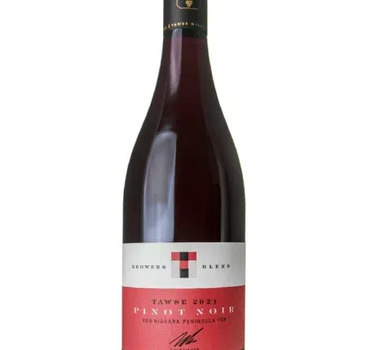
Aperçu rapide - Silver Medal10% Off
Aperçu rapide - Bronze Medal
Aperçu rapide
Aperçu rapide
Aperçu rapide
Aperçu rapide - Bronze Medal
Aperçu rapide - Silver Medal
Aperçu rapide - Gold Medal
Aperçu rapide -
- 1
- 2
Judged at the National Wine Awards of Canada
Every bottle on this page won a medal at the National Wine Awards of Canada, the country's largest blind-judged competition. That is the only thing that puts a wine here — it is not an editor's shortlist. Reds that placed at a different competition, the All Canadian Wine Championships, sit on our best red wine to gift page instead. The competitions we track are listed in full. For the whole range rather than the medal winners, start at Canadian red wine, or narrow by style with full-bodied reds.
What a Medal Actually Means
Judges taste blind. No label, no producer, no price — just the wine in the glass, scored against everything else in its flight by people who taste for a living. A medal says a panel rated this above its peers without knowing whose it was.
It does not say you will like it. Blind judging rewards balance, typicity and cleanliness, which is not the same as rewarding the bottle you would most enjoy on a Tuesday. Read a medal as a floor on quality rather than a promise about your palate. What it removes is the risk of a badly made wine, and on a marketplace this size that is worth something.
The Grapes That Win Here
Canadian reds medal in a fairly predictable pattern, and it follows the climate rather than fashion.
- Cabernet Franc. The grape Canada has the strongest claim to, and it shows up on this page more than any other. Niagara ripens it properly where most of the world cannot — red fruit, a green herbal edge, real structure underneath.
- Pinot Noir. Cool climates suit it and Canada is one. Light in colour, never light in flavour. Prince Edward County grows it over limestone; the Okanagan gives it more flesh.
- Cabernet Sauvignon and Syrah. These need heat, so almost everything here comes from the south Okanagan. Darker, firmer, and the closest to what most people picture when they hear red wine.
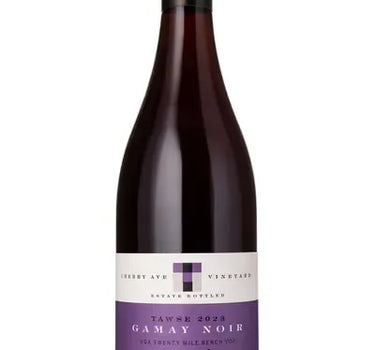
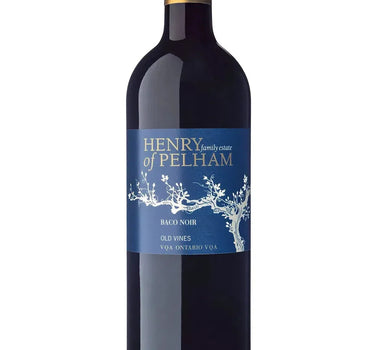
- Gamay and Baco Noir. The two that surprise people in a judging. Gamay is bright and low in tannin; Baco is smoky and a little rustic, and barely exists outside Ontario.
Two Regions, Genuinely Different Wine
The region on a Canadian label tells you more than it would elsewhere, because the country's growing conditions vary so sharply across it.
The warm south end of the Okanagan Valley carries the Cabernet Sauvignon, the Syrah and the bigger Merlot — riper fruit, more weight, higher alcohol. Niagara and Prince Edward County sit cooler and closer to water, and they take the Cabernet Franc, the Gamay and the Pinot Noir. Same country, and you would not confuse the two in a glass.
What Price Buys on This Page
Medal winners here run from everyday bottles to the cellar end, and the money mostly buys time rather than quality of fruit.
Toward the lower end you are paying for wine that went into tank and came out fresh, released young and drinking now. Further up, the price reflects barrel ageing, lower yields off older vineyards, and a winery holding stock back for a year or two before release. Both ends of that range medal. A gold on an inexpensive bottle is not a consolation prize — it means the panel scored it above wines that cost more.
Everything ships direct from the winery that made it. Order from two wineries and two parcels arrive on two timelines, which is the honest trade for buying at this scale.
Frequently Asked Questions
Where to find the best red wine in Canada?
- Okanagan Valley (British Columbia): Produces Cabernet Franc, Syrah, and Pinot Noir, with distinct minerality from glacial soils.
- Niagara Peninsula (Ontario): Known for Merlot, Gamay, and Cabernet Sauvignon, influenced by the Great Lakes.
- Emerging Regions: Annapolis Valley (Nova Scotia) & Quebec’s cooler climate vineyards offer exciting hybrid varietals like Marquette & La Crescent.
Which are the top grape varietals in Canada?
Popular grape varietals in Canada include Pinot Noir, Cabernet Sauvignon, Merlot, and Cabernet Franc. Each varietal showcases the unique terroir of regions like the Okanagan Valley and Niagara Peninsula, offering a range of tastes for wine enthusiasts.
What are the best red wines in Canada for beginners?
For new wine drinkers, try these approachable Canadian reds:
- Merlot (Niagara Peninsula) – Smooth, fruit-forward, and easy-drinking.
- Gamay Noir (Niagara, Ontario) – Light-bodied with juicy red fruit & soft tannins.
- Pinot Noir (Okanagan Valley) – Elegant, with notes of cherry, spice & earthiness.
How do I pair Canadian the best red wines with food?
- Pinot Noir – Pairs well with roasted meats, mushroom risotto, and salmon.
- Cabernet Franc – Complements grilled vegetables, lean meats, and charcuterie.
- Merlot – Great with pasta dishes, roasted chicken, and barbecue.