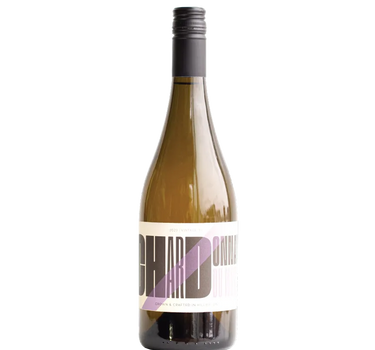
Dry White Wine
Dry white wine is for those nights you want something crisp, clean, and not sweet, like when you are staring at the fridge before friends arrive. If you usually browse white wine or search best white wine, this is the zippy, food-friendly corner you probably mean.
Aperçu rapide
Aperçu rapide
Aperçu rapide
Aperçu rapide
Aperçu rapide
Aperçu rapide
Aperçu rapide
Aperçu rapide
Aperçu rapide
Aperçu rapide
Aperçu rapide
Aperçu rapide
Aperçu rapide
Aperçu rapide
Aperçu rapide
Aperçu rapide
Aperçu rapide
Aperçu rapide
Aperçu rapide
Aperçu rapide -
Dry white wine is the go-to style when you want a glass that feels clean, crisp, and not sweet. On My Wine Canada, this collection focuses on Canadian whites that finish dry, meaning the fruit flavours are there, but the sugar is not doing the talking.
Why choose Dry white wine
What “dry” tastes like in dry whites
Expect bright acidity, fresh citrus, green apple, pear, and sometimes a lightly herbal edge. In Canadian cool climates, that zing stays lively, especially in styles like Riesling made dry, Chardonnay done in a fresher lane, and Pinot Gris with a mineral snap. If you normally reach for sparkling water over pop, you’ll probably appreciate this vibe.
Dry white wine for food and real life
These are weeknight-friendly wines for sushi, roasted chicken, Caesar salad, and East Coast smoked salmon. I also like them for patio snacks, salty chips, and anything lemony. They keep dinner feeling pulled-together, even if you are eating at the counter.
Finding your style in Dry white wine
For beginners, hosts, and “I just want something easy” drinkers
If you are newer to wine, start with crowd-pleasing, fruit-leaning dry whites. Hosting? A dry white is a safe bet for mixed tastes, especially alongside snacks and lighter mains.
Browse similar collections and learn as you go
If you want to compare styles, explore the broader Canadian white wine collection, or check out our best white wine picks for top-rated favourites.
Frequently Asked Questions (FAQs)
Q: What makes a dry white wine “dry”?
A: “Dry” means the wine finishes with little to no noticeable sweetness. You can still taste fruit flavours like lemon, pear, or apple, but it does not come across sugary. If you like your drinks more crisp than candy-like, dry is usually a good sign.
Q: Is Dry white wine always super tart?
A: Not always, but many dry whites feel zippy because acidity is a big part of the style. Think “squeeze of lemon” bright, not “sour candy” sharp. If you prefer softer whites, look for dry styles that lean riper and rounder, often with a smoother texture.
Q: I’m new to wine, which bottles in this Dry white wine collection are easiest to like?
A: Go for dry whites that smell like fresh orchard fruit and citrus, with a clean finish and no heavy oak flavour. These tend to feel friendly and straightforward at the table. If you want to avoid surprises, skip anything described as intensely herbal or strongly oaked.
Q: What food pairs best with dry white wine?
A: Dry white wine loves salty, savoury food, think sushi, roasted chicken, Caesar salad, and smoked salmon. It is also great with simple snacks like chips, olives, and anything with lemon or herbs. If the dish has a squeeze of citrus, odds are the wine will click.
Q: Does “dry” mean lower alcohol or fewer calories?
A: Not necessarily. Dry refers to sweetness, not alcohol level, and calorie count can vary by grape and winemaking style. If you are watching sweetness, “dry” is helpful; if you are watching alcohol, you will want to check the label for the percentage.